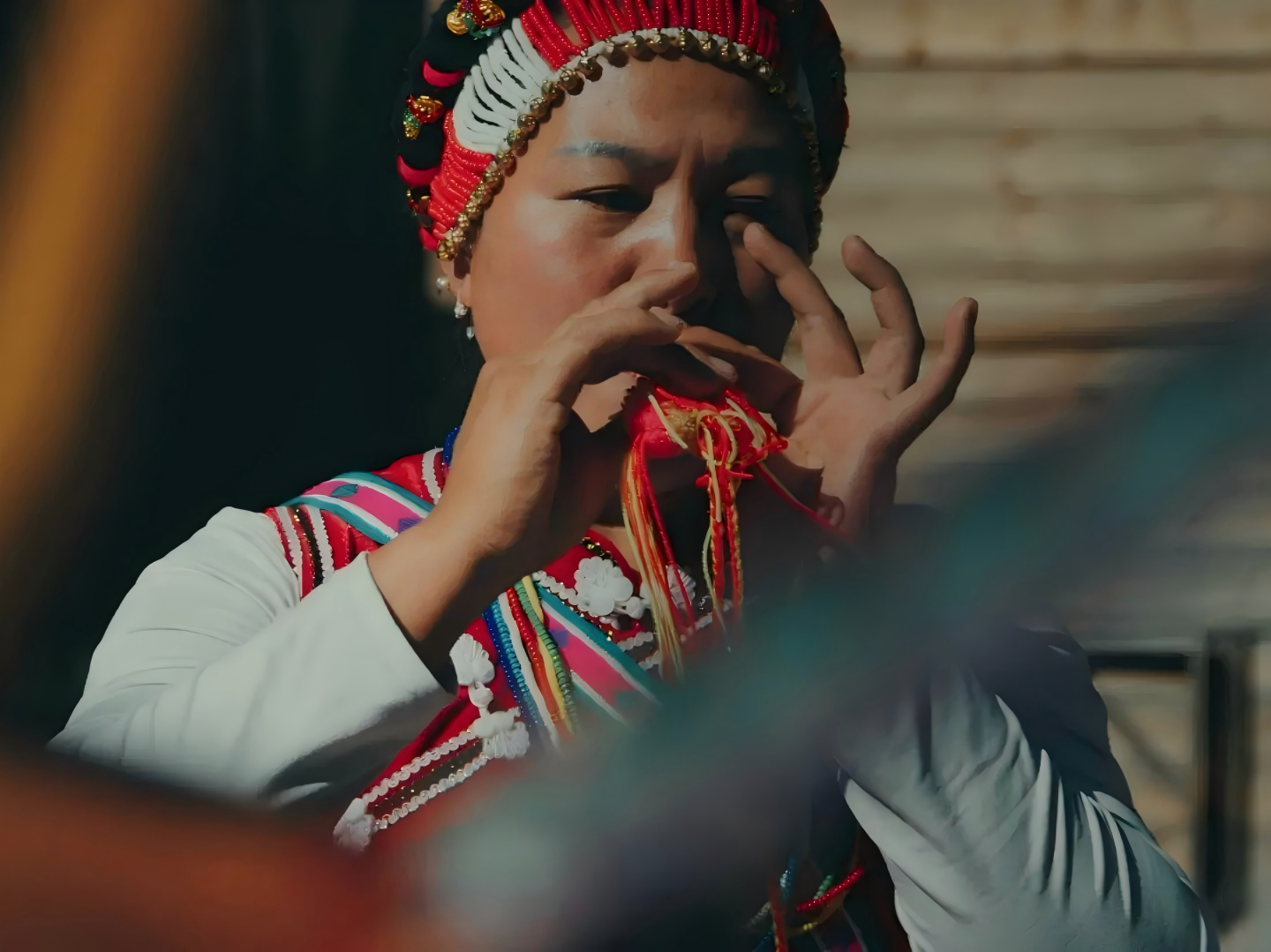
Nujiang: The Earth’s Deepest Pulse and Relics of the Gods
When most people think of Yunnan, their memories often linger on the gentle romance or the lushness of tropical rainforests. But Nujiang is an epic tome, fiercely guarded by clouds and towering mountains.
As the ultimate destination in Osemise’s map for exploring nature’s raw power and profound faith, Nujiang rejects any superficial sightseeing. It is one of the deepest scars left by the Earth on this land, a living monument to untamed, primal forces.
Here, mountains don’t just stand; they reign. The river doesn’t just flow; it carves time.
We invite you to step into these relics of the gods in the safe, expert care of our guides. Gaze into the turquoise depths of the river, listen to the heavenly voices echoing in the canyon, and rediscover a long-lost humility and peace in the face of sheer magnitude.
Meet Nujiang
Where it is:
Nujiang lies in northwestern Yunnan, China, along the Nu River and bordering Tibet and Myanmar. Known for its dramatic gorges, rivers, and mountainous terrain, the region offers some of the most rugged and breathtaking landscapes in Yunnan.
Altitude:
The valley floor sits around 1,200–1,800 meters above sea level, while surrounding mountains soar above 4,000 meters, creating a diverse highland climate.
Weather:
Mild in lower valleys and cooler in the mountains. Spring and autumn range from 10–20°C, summer 15–25°C, and winter 5–15°C. Most rain falls from June to September, with drier and sunnier conditions from October to May.
People & Language:
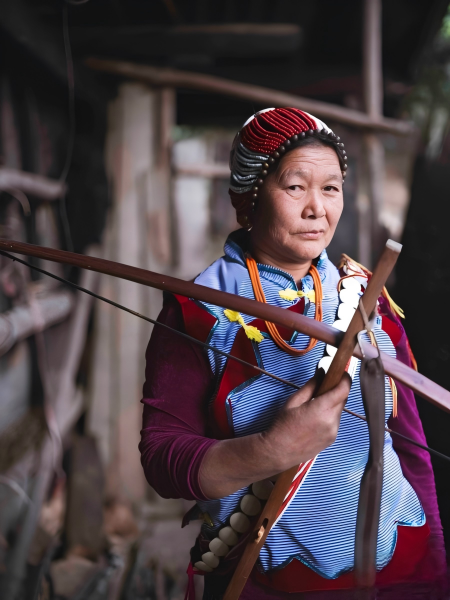
Population is roughly 500,000, including Lisu, Nu, Tibetan, Bai, and Han communities. Mandarin is widely spoken, while local ethnic languages and traditions remain strong, especially in daily life, festivals, and handicrafts.
Getting Around:
Nujiang can be accessed from Lijiang or other regional hubs by bus or private car. Roads wind through valleys and gorges, with local taxis and guided tours available to explore rivers, villages, and scenic viewpoints.
Tips for Your Visit:
Best time: October–May, when the weather is drier and views are clear. Take time to enjoy the dramatic landscapes, local villages, and ethnic cultures. Respect local customs and natural environments to fully appreciate the region’s unique character.

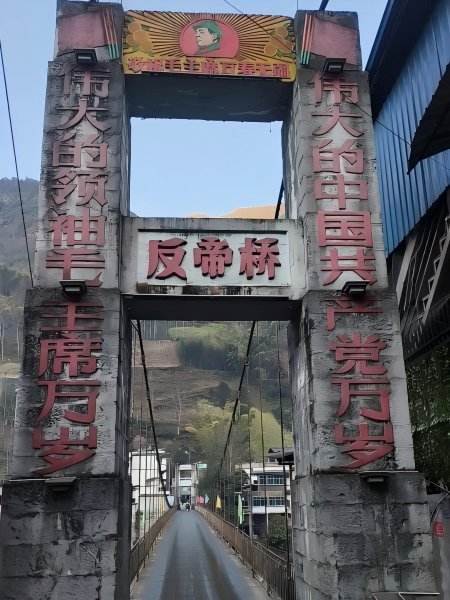
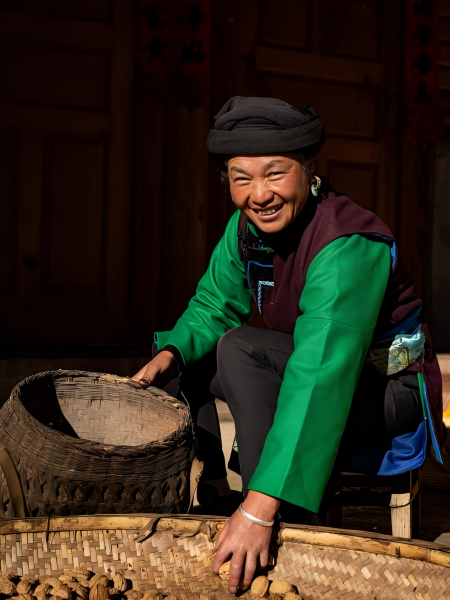
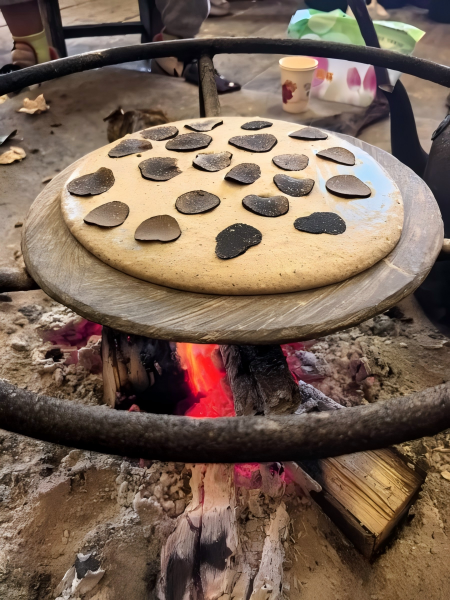
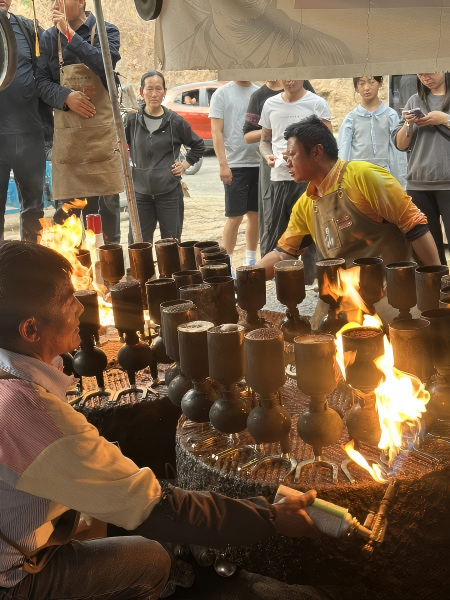
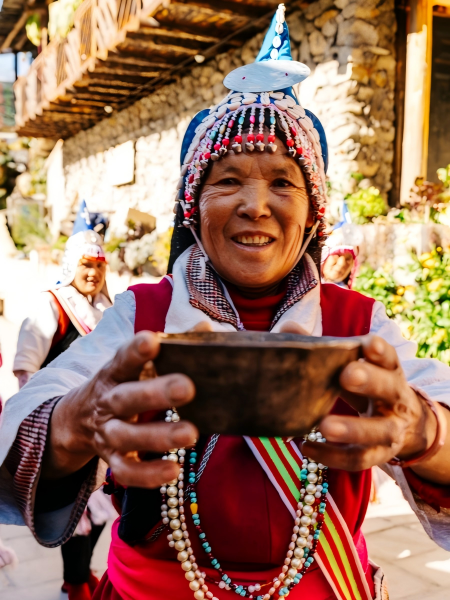
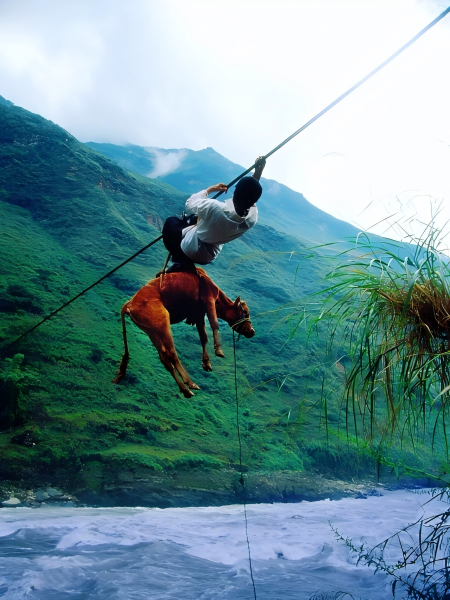
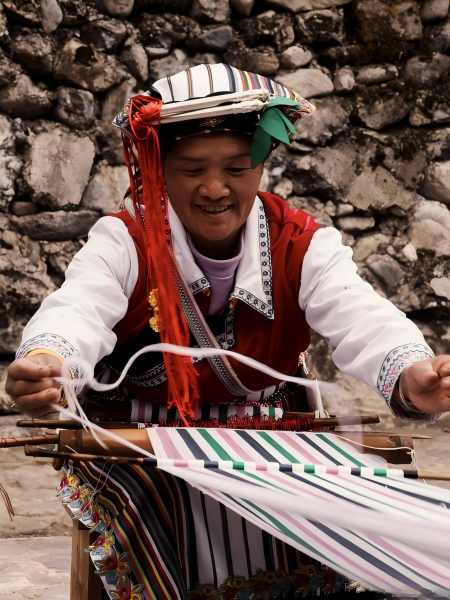
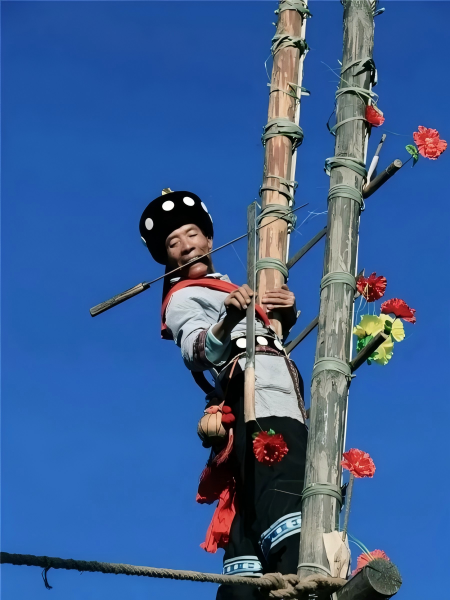
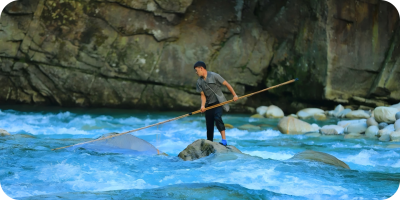 To truly understand the majesty of nature, you must stand at the edge of this abyss.
Setting aside the hurried snapshots taken through car windows, we will guide you along the broad, secure wooden walkways by the riverbanks, stepping straight into this magnificent canvas. Look up, and jagged cliffs pierce the sky like colossal black altars. Look down, and the Nujiang River surges and roars at the canyon floor like the strongest turquoise vein of the Eastern earth.
The deep thunder of water crashing against rocks, mingled with the cool, misty mountain wind, instantly pierces your whole body.
Standing here, you are not merely a spectator, but a tiny yet true witness to this vast geological epoch. It is a staggering scale that crushes all urban anxieties into dust.
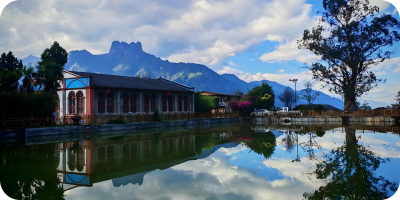 In Nujiang, the most breathtaking experience is often not the scenery, but the voice of faith echoing across time and space.
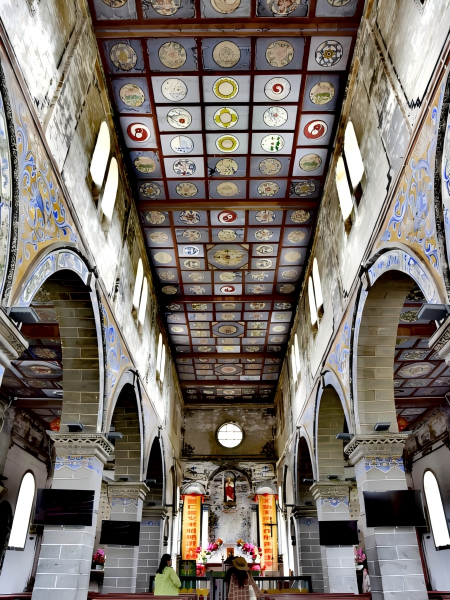
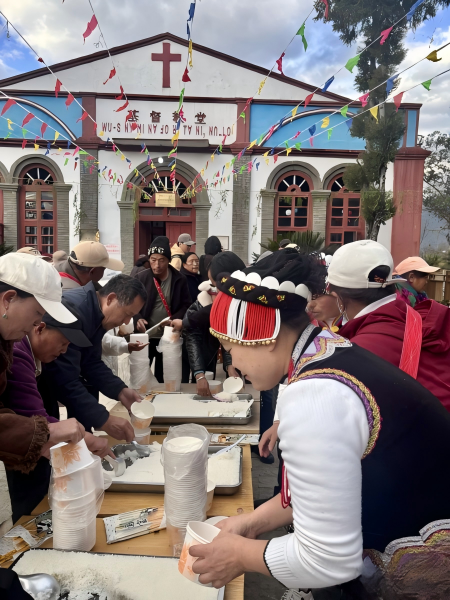
Ascending steadily along the winding mountain roads, the village of Laomudeng, suspended halfway up the mountain, welcomes you with its red-and-white cross church. A century ago, Western missionaries trekked over mountains and rivers to bring the seeds of faith and choral sheet music into this isolated canyon. Today, the winds of time have deeply woven that foreign history into the daily life and blood of the Nu people.
Here, there are no commercially packaged performances—only the purest resonance of the soul.
As you sit on the wooden pews of this cloud-capped church, feeling the unique warmth of the timber beneath your fingertips, you don’t need to understand the Nu language. When the villagers spontaneously sing the four-part hymns left behind by those missionaries, the acappella harmony—as clear and holy as the canyon wind—will strike your heart without warning.
Close your eyes and let this melody, which has crossed endless mountains and a century of time, wash over your ears. You will feel an unprecedented peace. At this very moment, the extreme peril of nature and the extreme tenderness of the human spirit achieve perfect resonance.
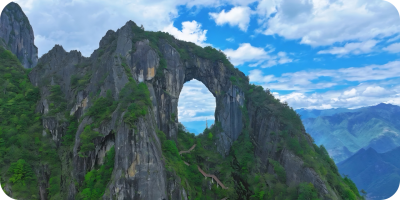 Passing through the long, treacherous canyon, as the view suddenly opens up, you will understand why this place is called the “Last Pure Land.”
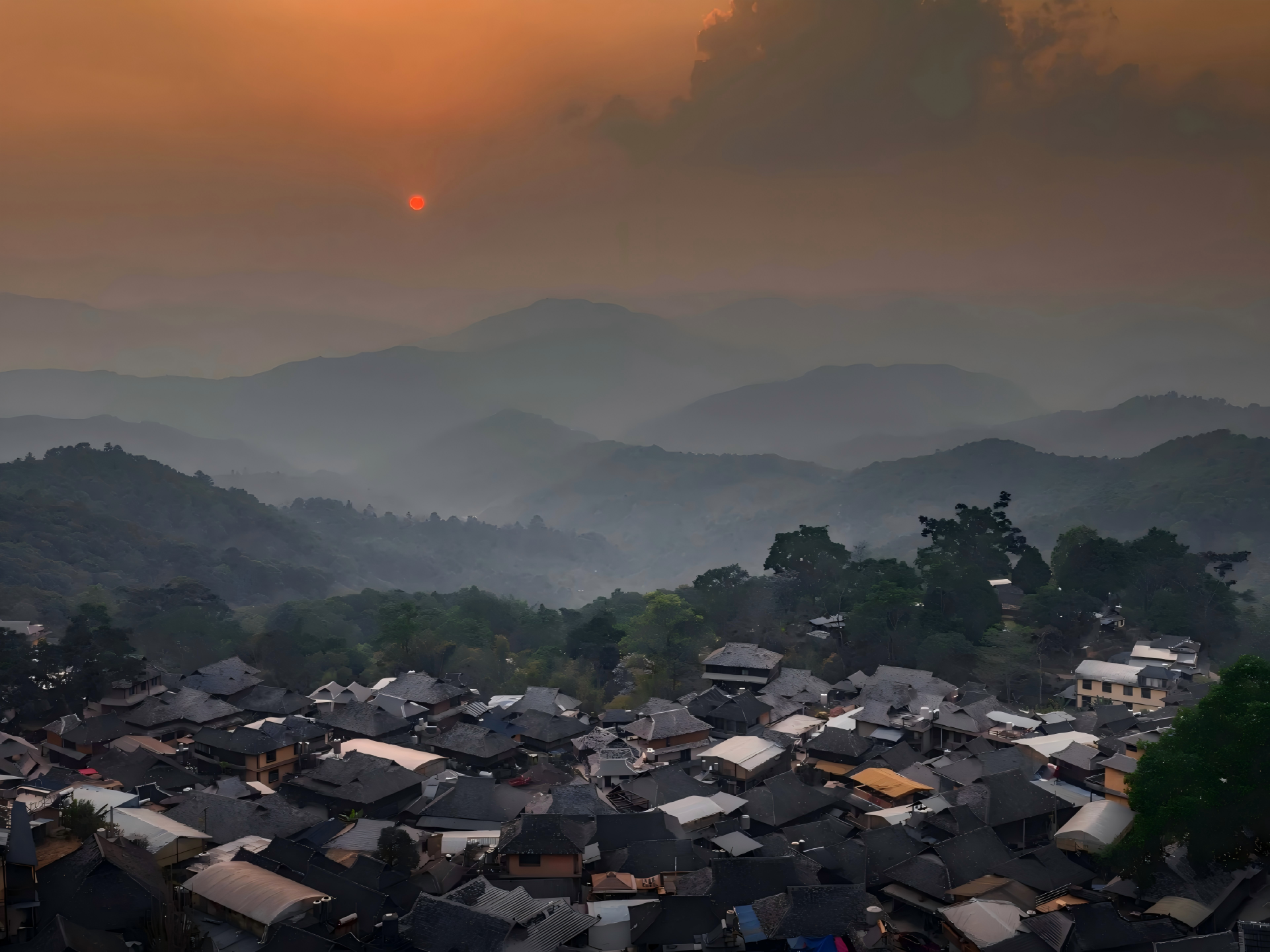
Early morning in Bingzhongluo is gently swathed in milky-white mist. Osemise won’t arrange for you to jostle for photo spots on crowded observation decks. Instead, we take you strolling along village paths that exude the fresh scent of raw timber.
Watch as the first ray of sunlight pours down from the towering snow-capped peaks, gilding the soft curves of the First Bend of the Nujiang River.
Here, smoke rises from scattered wooden houses, and villagers of different faiths work peacefully under the same blue sky. The air is a mix of damp grass and the warm fragrance of burning pine. The grandeur of nature and the harmony of humanity reach perfect reconciliation here.
 To touch the most secretive soul of Nujiang, you must cross the barrier of the Gaoligong Mountains and venture deep into the heart of the Derung River Valley.
This is a journey through time. The crystal-clear waters of the Derung River flow quietly in the embrace of primeval forests, like a liquid emerald necklace. Following our local guide, you will enter the homes of the Derung people in the most respectful and unobtrusive way.
Sitting by the warm, dancing firepit, accept a steaming cup of lacquer-oil tea. Listen as the elder women, their faces marked with ancient facial tattoos, recount tales of the deep mountains in a slow, measured tone.
With the river murmuring outside and the fire crackling within, time slows down completely. You will profoundly realize that no matter how harsh the environment, the fierce and tenacious human posture of survival is, in itself, a miracle.