Dehong: Emerald Echoes and Exotic Vitality at the Border’s Edge
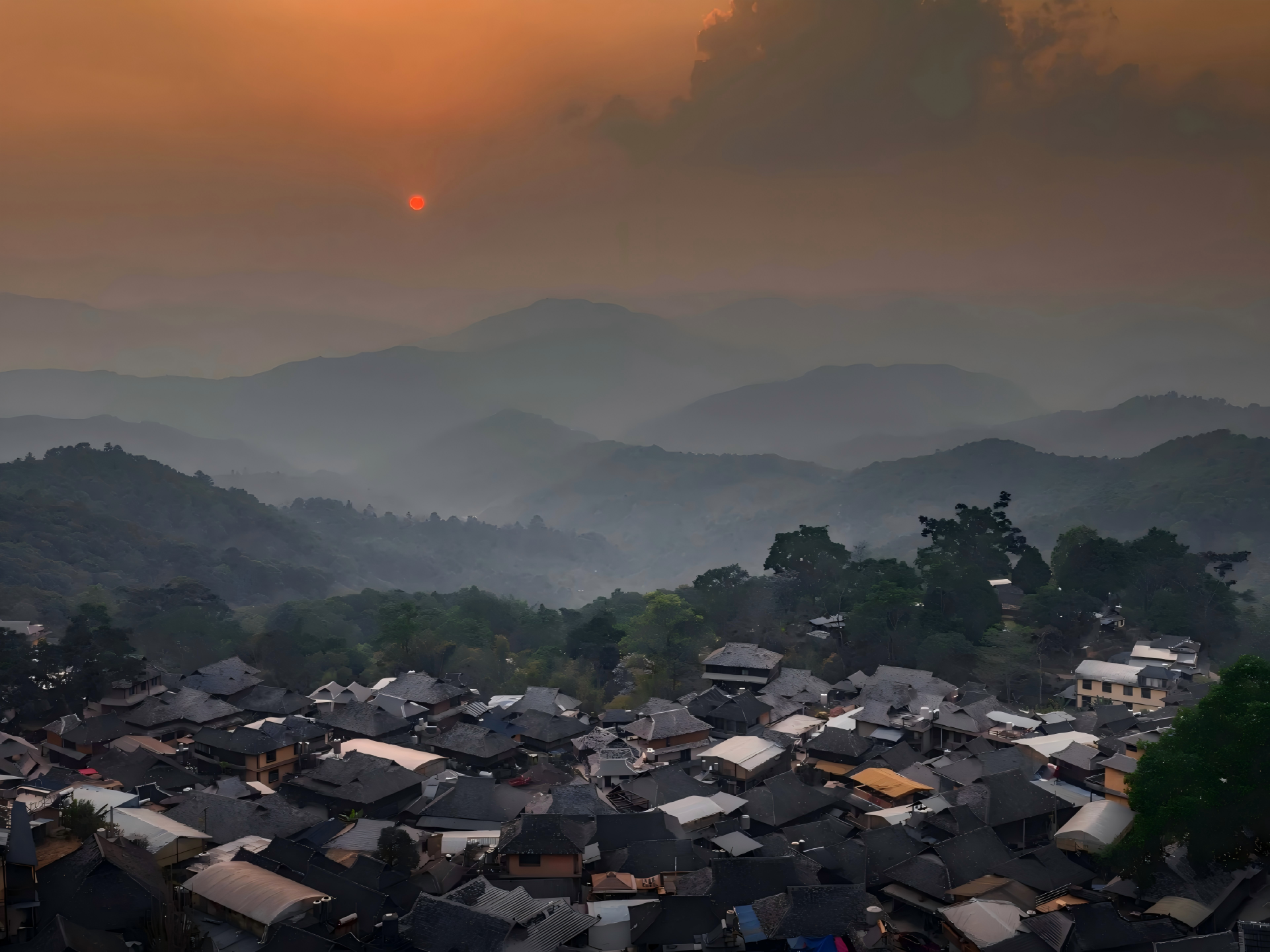
At the southwesternmost tip of Yunnan, Dehong rests like a warm piece of amber inlaid along the national border.
As the ultimate coordinate in the Osemise map for exploring “Borders and Fusion,” this region offers neither high-altitude chills nor the over-processed filters of famous ancient towns.
Instead, as you cross the mountain ridges to arrive here, you are greeted by a steamy tropical monsoon—a humid breath carrying the scent of exotic spices and rainforest moisture.
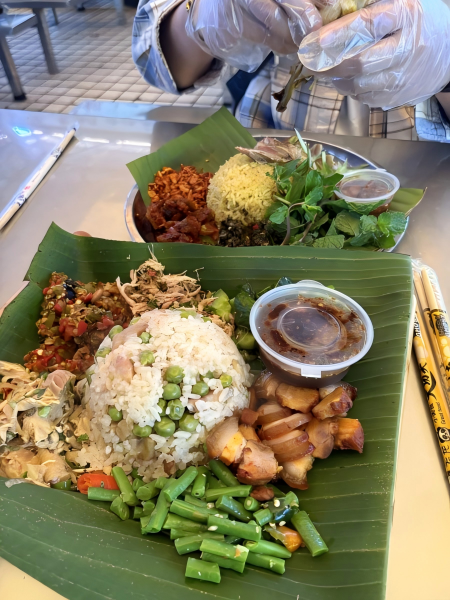
Here, the border is not a cold line; it is a shared swing in a village courtyard, or the aroma of home-cooked meals drifting across national boundaries.
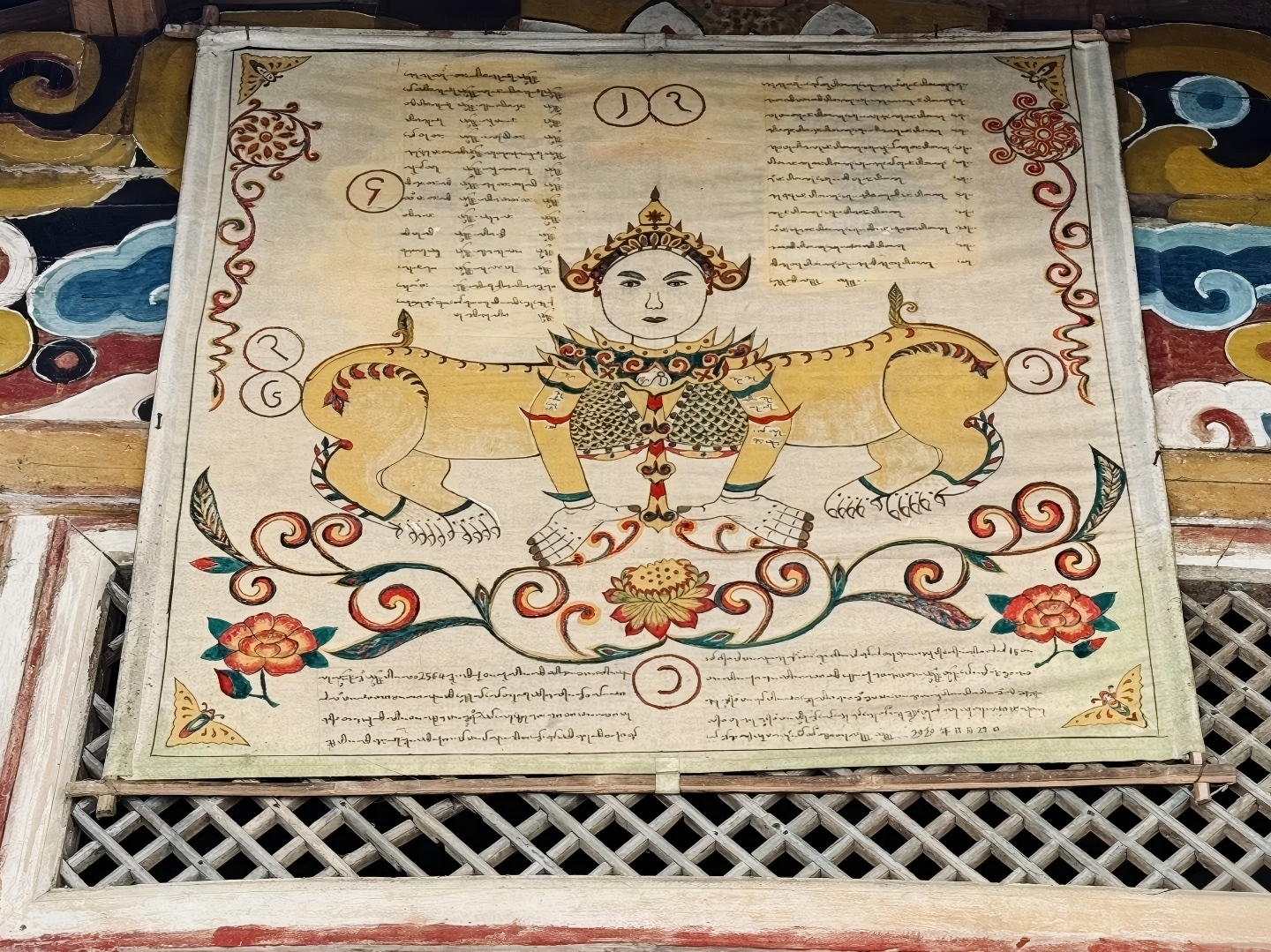
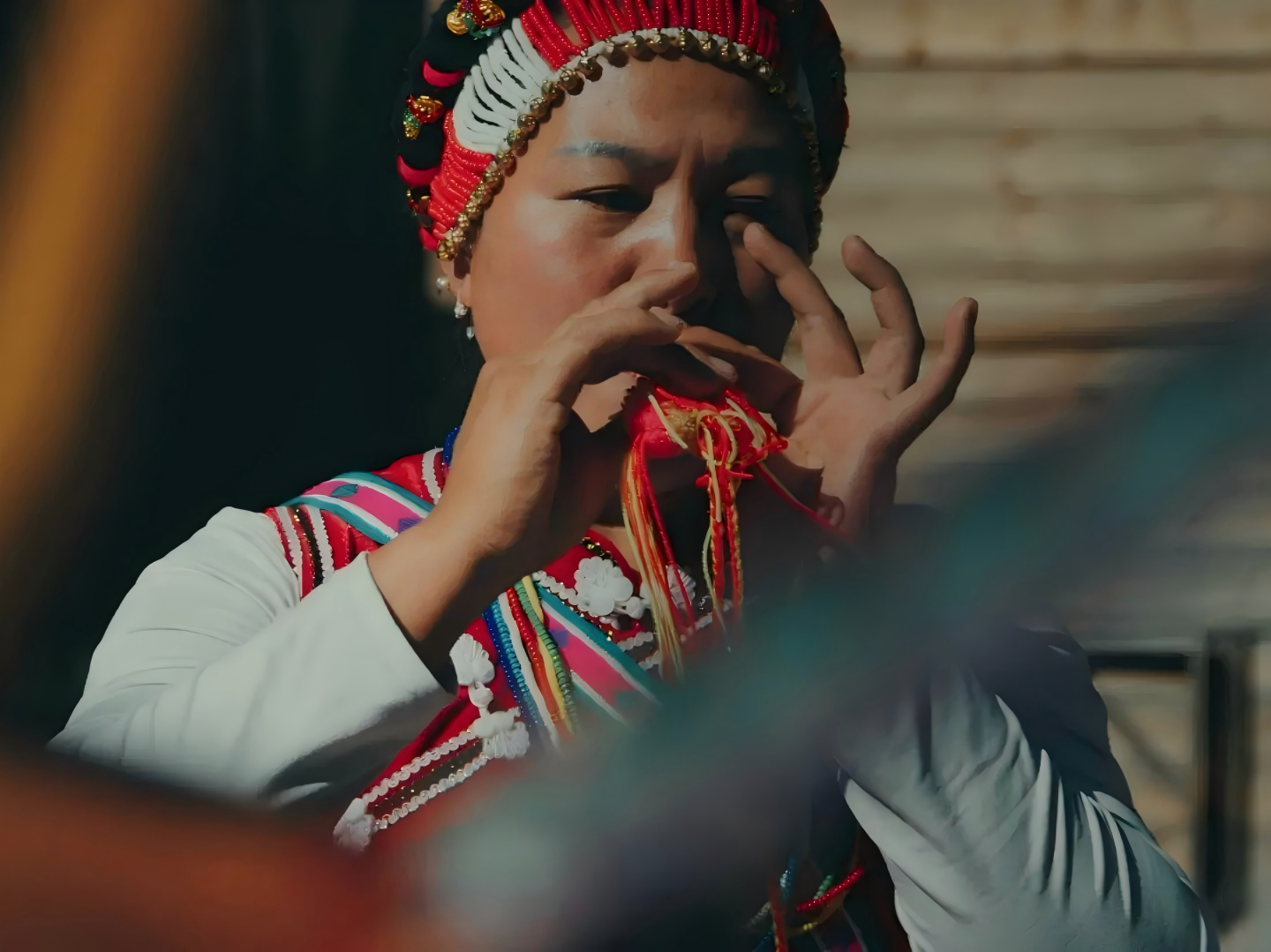
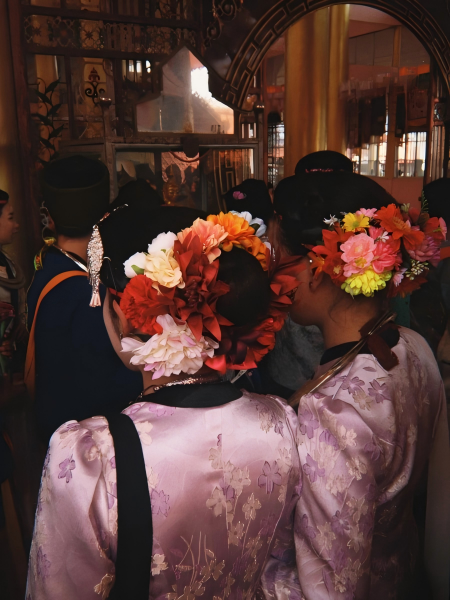
We invite you to venture deep into this emerald heartland, protected by the shadows of the Gaoligong Mountains. Shed your urban armor—hold your breath in the morning mists of Yingjiang for the arrival of hornbills, touch the smooth warmth of raw jade in the night markets of Ruili, and lose yourself in the rhythmic Brahmic echoes of Mangshi.
In Dehong, “exoticism” is not a window display to be observed; it is a living reality you are invited to join.
Meet Dehong
Where it is:
Dehong is located in southwestern Yunnan, China, bordering Myanmar. The region is known for its tropical landscapes, lush forests, rivers, and rich ethnic diversity, offering travelers a unique cross-border cultural and natural experience.
Altitude:
Most of Dehong lies between 500–1,200 meters above sea level, creating a warm, tropical climate that supports abundant vegetation and agriculture.
Weather:
Hot and humid much of the year. Spring and autumn are pleasantly warm (20–30°C), summer peaks at 28–35°C with heavy rainfall, and winters are mild at 15–25°C. The rainy season lasts from May to October, while November–April is drier and sunnier.
People & Language:
Population is roughly 1 million, including Dai, Jingpo, Han, and other ethnic groups. Mandarin is widely spoken, and local ethnic languages and traditions remain strong in daily life, festivals, and village culture.
Getting Around:
Dehong Mangshi Airport connects the region to Kunming, Chengdu, and other major cities. Local buses, taxis, and motorbike rentals make exploring forests, rivers, villages, and cultural sites convenient.
Tips for Your Visit:
Best time: November–April, when the weather is drier and cooler. Take time to enjoy tropical landscapes, ethnic villages, and cross-border culture. Respect local customs and natural environments to fully appreciate Dehong’s unique charm.
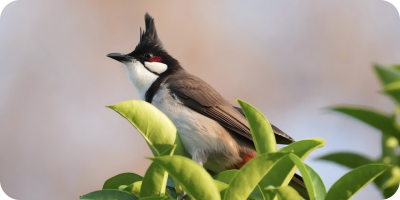 Turn your gaze away from the iron cages of a zoo. In Yingjiang, China’s premier county for avian diversity, we will bring you into a truly vibrant sanctuary of life.
In the early morning, following an Osemise professional nature guide, we quietly slip into the mist-shrouded edges of wetlands and rainforests. There is no shouting here—only the devout act of waiting.
When a giant Great Hornbill beats its massive wings, gliding elegantly through the ancient canopy, or a nimble River Tern carves a graceful arc over the shimmering river, the visual impact is unparalleled.
Before such unreserved displays of nature, you will find that the highest form of respect for these primitive creatures is to observe with quiet restraint.
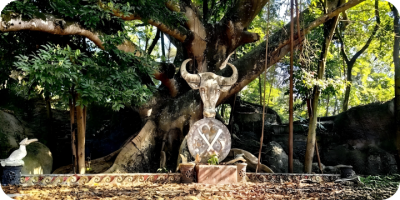 If you yearn for a power that strikes directly at the soul, you must visit the Jingpo mountain villages of Longchuan.
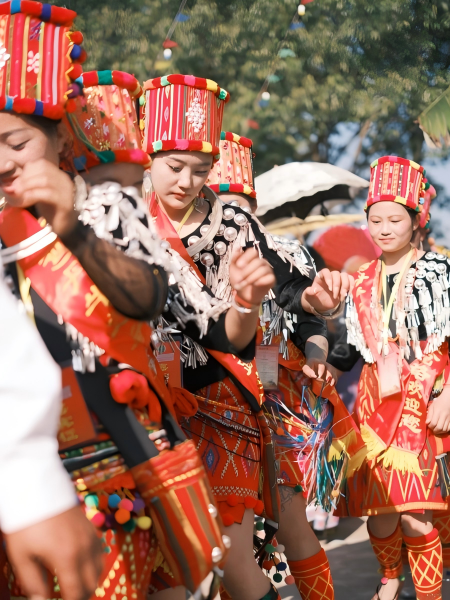
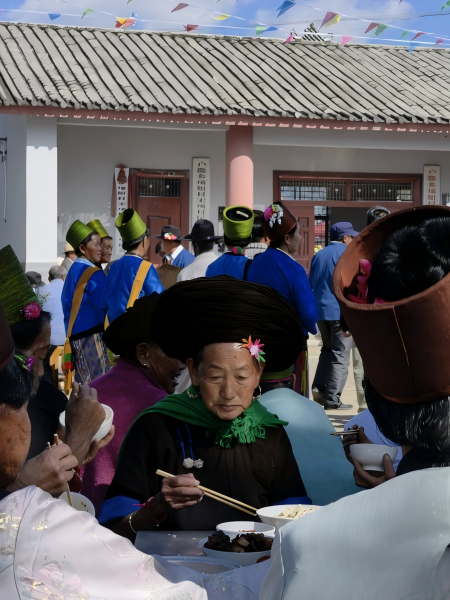
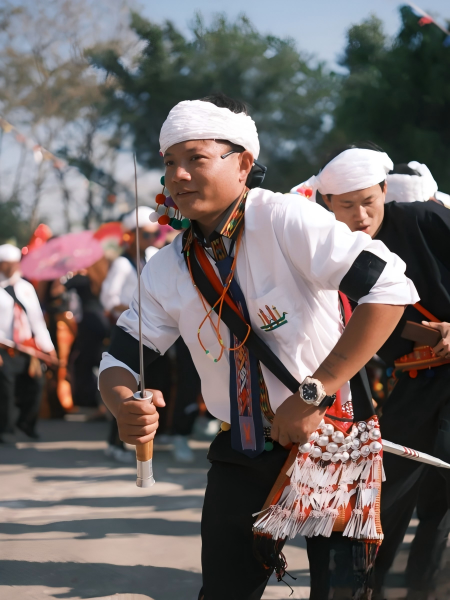
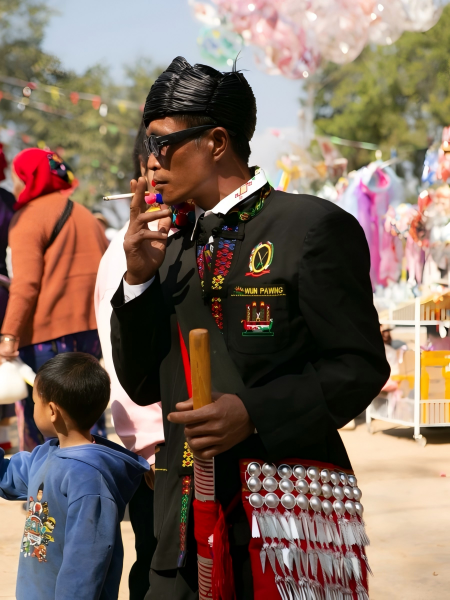
Cast aside the carefully choreographed ethnic “performances” found on commercial stages. Here, when the massive wooden drums are struck with force and the hornbill-beak headdresses flash in the sun, hundreds of Jingpo people—the self-proclaimed “Children of the Sun”—march in unison, sending thunderous echoes through the earth.
Heavy silver ornaments clash with every breath and movement, creating a crisp chime that resonates with the land.
Invited to join this “Munao Zongge” procession, you don’t need to memorize complex steps. Simply let your body follow this primal, pure pulse of life, releasing a long-lost sense of freedom and joy from deep within.
 In Ruili, the border line is not a barrier meant to keep people away, but a cradle where two civilizations intertwine.
Stepping into the unique “One Village, Two Countries” settlement, you will see Chinese and Burmese villagers sharing the same well. You may even see a child on a swing, soaring high into the air and lightly crossing the border with every arc.
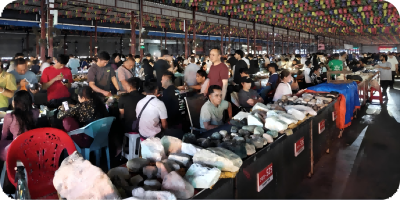
As night falls, the other side of this “Oriental Jewelry City” awakens. We steer clear of the monotonous souvenir shops and venture deep into the bustling jade night markets.
Listen to the passionate, polyglot bartering of merchants. Under the piercing beam of a flashlight, gaze into the deep, mysterious green hidden within a raw jade stone.
This is more than a legendary gamble for fortune; it is the most vivid footnote to the cultural collisions along the centuries-old Southwest Silk Road.
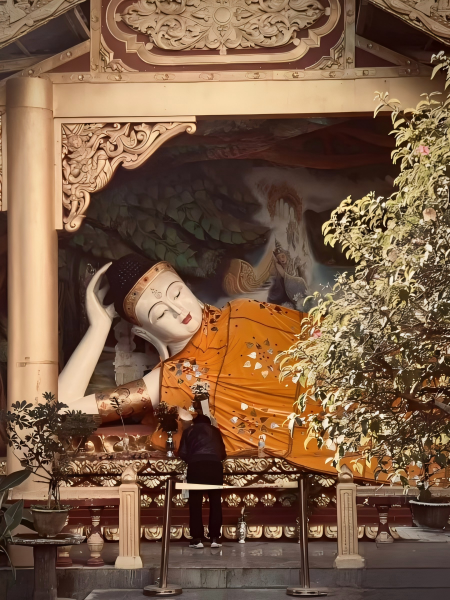
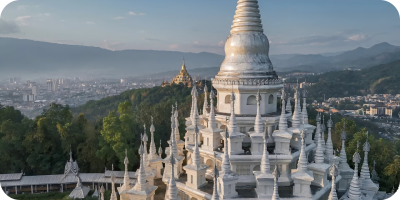 At the summit of Leiyarang Mountain in Mangshi stand two landmarks of faith—vastly different in form, yet perfectly aligned in spirit.
We do not suggest a hurried stop just for a postcard-style photo. Instead, follow the pace of the locals: remove your shoes and step barefoot onto the stone slabs, warmed by the tropical sun.
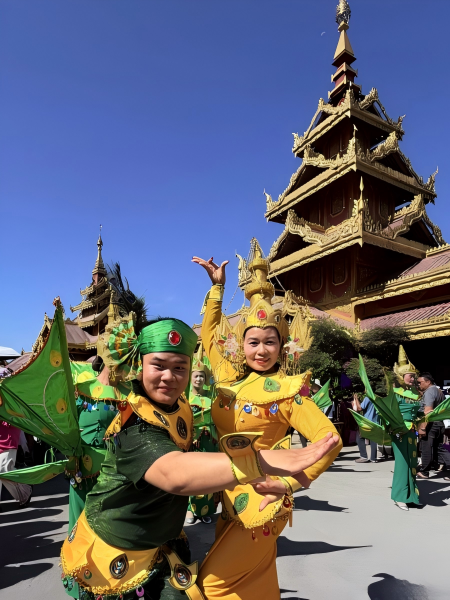
In the brilliant glare of day, the Menghuan Grand Golden Pagoda stands like a radiant lighthouse, its golden spires pointing toward the heavens, exuding the solemnity and fervor of Theravada Buddhism.
As night descends, the Silver Pagoda on the opposite peak glows with a cool, compassionate luminescence, like a silent sage in the moonlight.
Standing at this intersection of day and night, gold and silver, listen to the crisp Brahmic chimes of wind-bells swaying under the eaves. Here, worldly anxieties are instantly stripped away. These are not merely architectural wonders; they are the most beautiful embodiments of the spiritual world built by the people of this land.