Lijiang: Flowing with the Mountains
Step into Dayan Old Town. Look down—water from Jade Dragon Snow Mountain winds under your feet, clear enough to see every pebble. Life here flows with it: some pools for drinking, some for washing, all quietly respected.
Follow the streams and you’ll find locals dancing in circles on Sifang Street. No words are needed—just hand-in-hand, smiles, and shared rhythm.
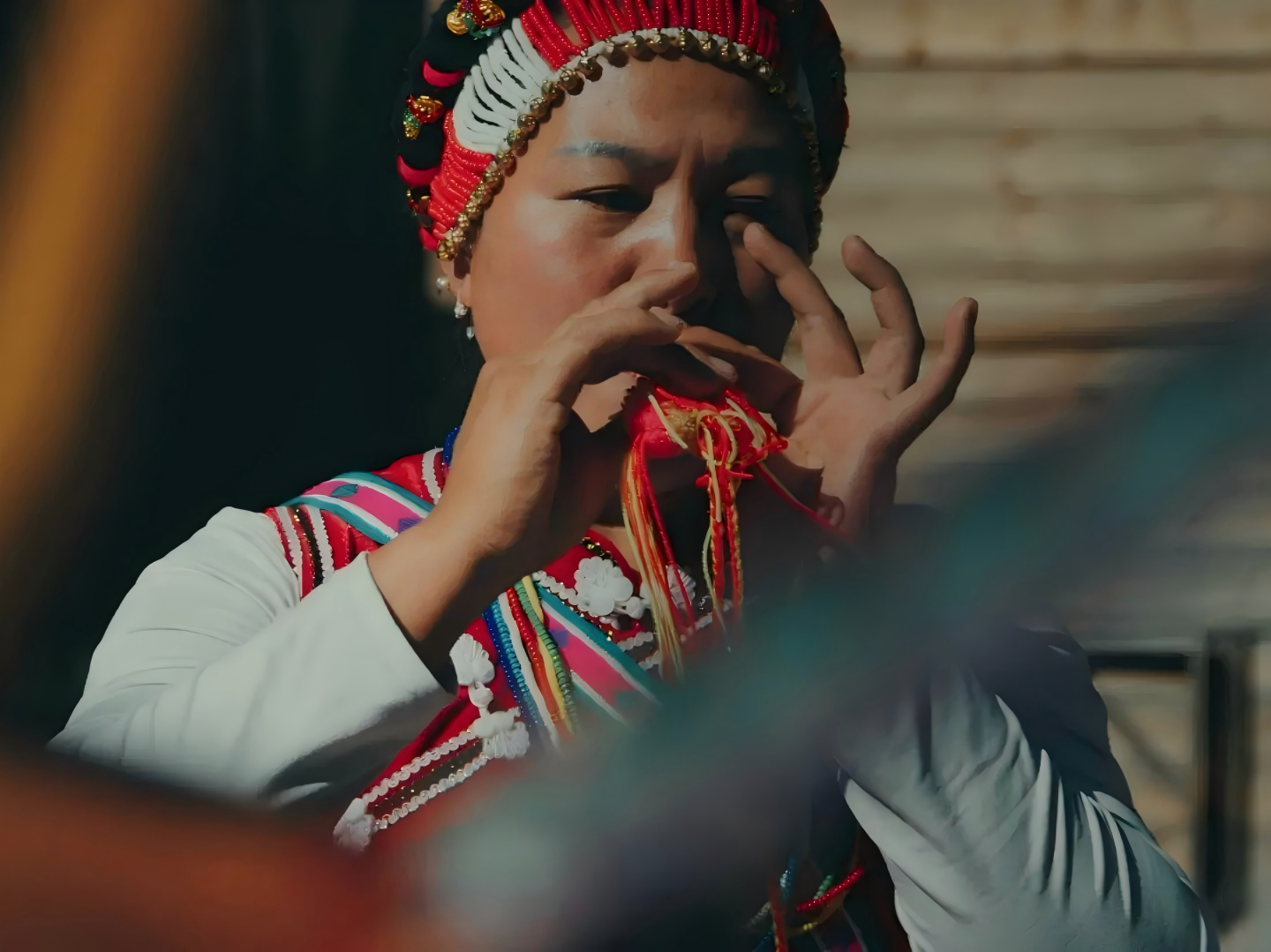
Stay in a quiet guesthouse. Tea roasted by the host, bitter then sweet. Listen: artisans carve, embroider, and play ancient music. Every sound, every movement, feels alive with history.
And always, the Jade Dragon Snow Mountain rises above, shaping time, guiding life, and teaching beauty without a single word.
Meet Lijiang
Where it is:
Lijiang sits in Yunnan, China, with Dali (≈160 km), Shangri-La (≈180 km), and Kunming (≈520 km) nearby.
Altitude:
Old Town: ~2,400 m | Jade Dragon Snow Mountain: 5,596 m
Weather:
Mild year-round; rainy in summer, dry in winter, with plenty of sunshine.
People & Language:
~1.2 million residents, including Naxi, Han, Yi, and Bai communities. Mandarin is common; Naxi language is alive locally.
Getting Around:
Airport, trains, and highways make travel easy.
Tips for Your Visit:
Best time: April–October. Take it slow, respect local customs, and enjoy life as the locals do.
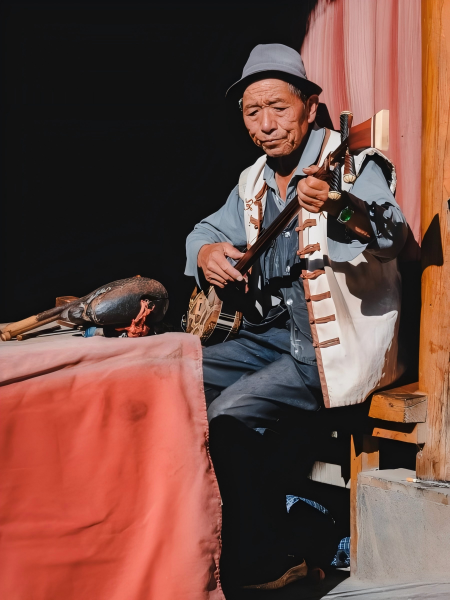
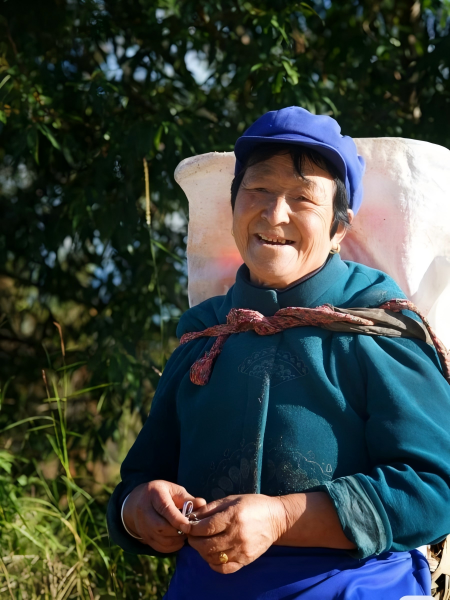
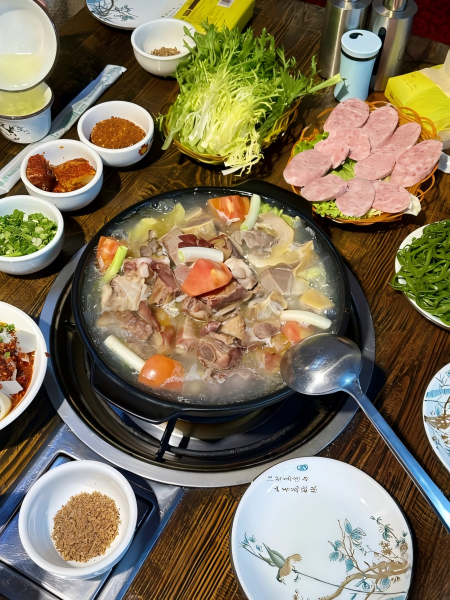
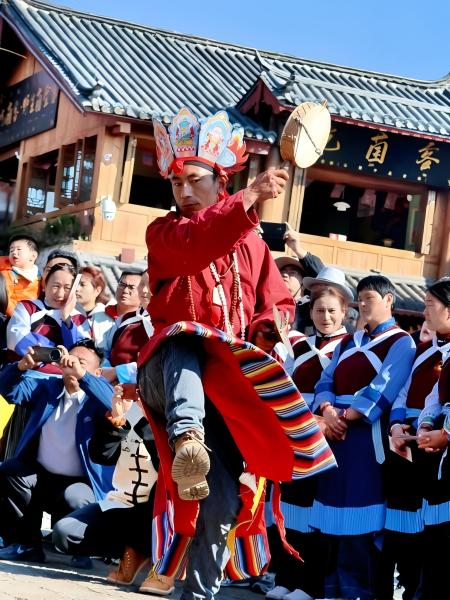
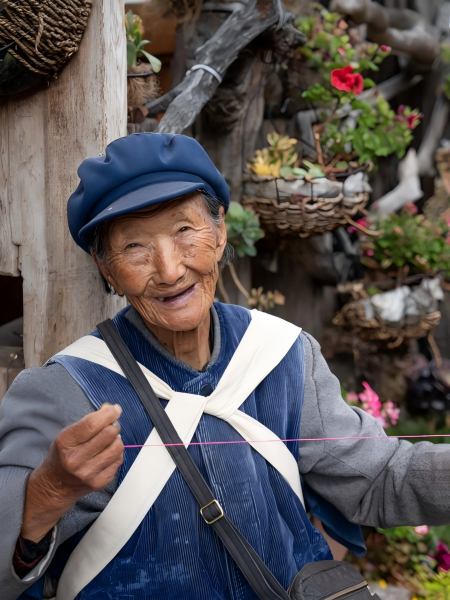
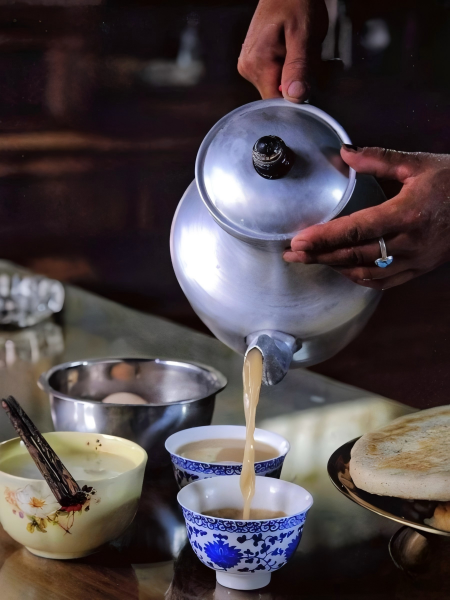
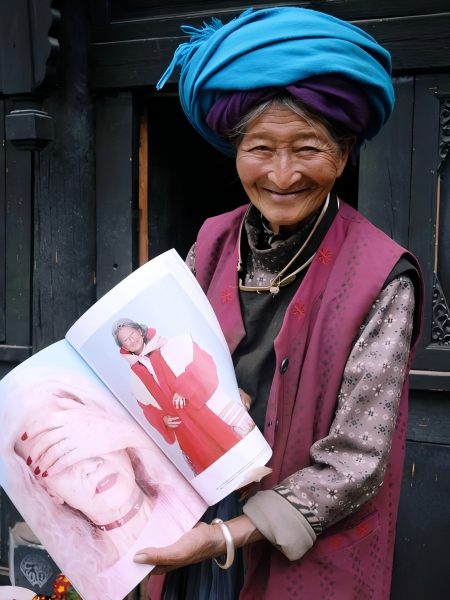
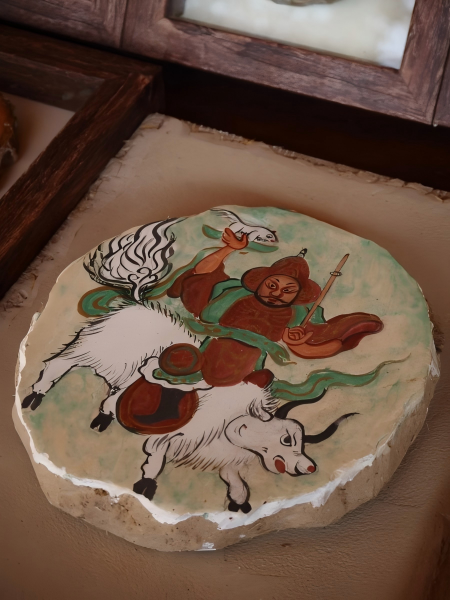
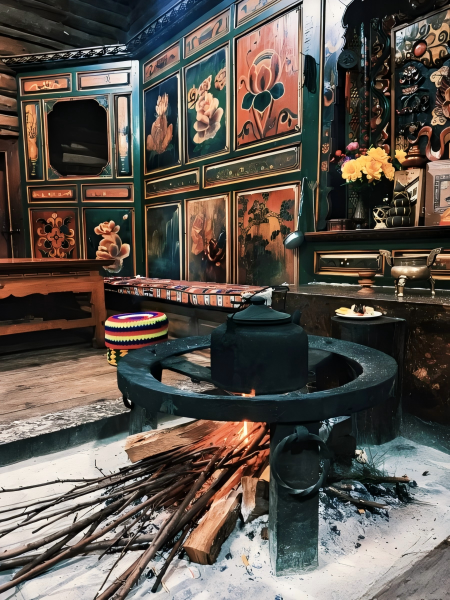
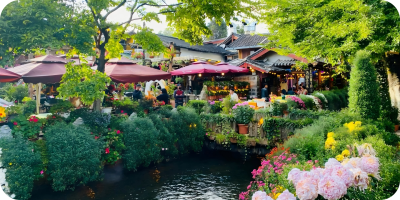 Walking along the cobbled water alleys, water flows around the Three-Eyed Well, courtyards, and stone steps beneath bridges. Osemise guides you to meet Naxi artisans and community caretakers, with the sound of water naturally leading your path. You will see tea prepared on courtyard tables, hand embroidery unfolding in the sunlight, and the steps of the group circle dance in the square echoing the alley spaces, while the melodies of Naxi music float through the windows.
The route through the alleys is carefully planned: first follow the water system to observe the order of daily life, then enter courtyards to watch tea-making and embroidery demonstrations, and finally pause at the small square to listen to Naxi music. Each part of the journey aligns closely with the layout of the town, making the activities unfold naturally within the alleys and courtyards, rather than as isolated steps.
Water sounds, dance steps, needlework, and tea aromas weave together into a continuous scene. By the end of the visit, the traces you carry away—courtyard layouts, embroidery and woodworking details, and snippets of music—form naturally within the flow of participation and can be reviewed later.
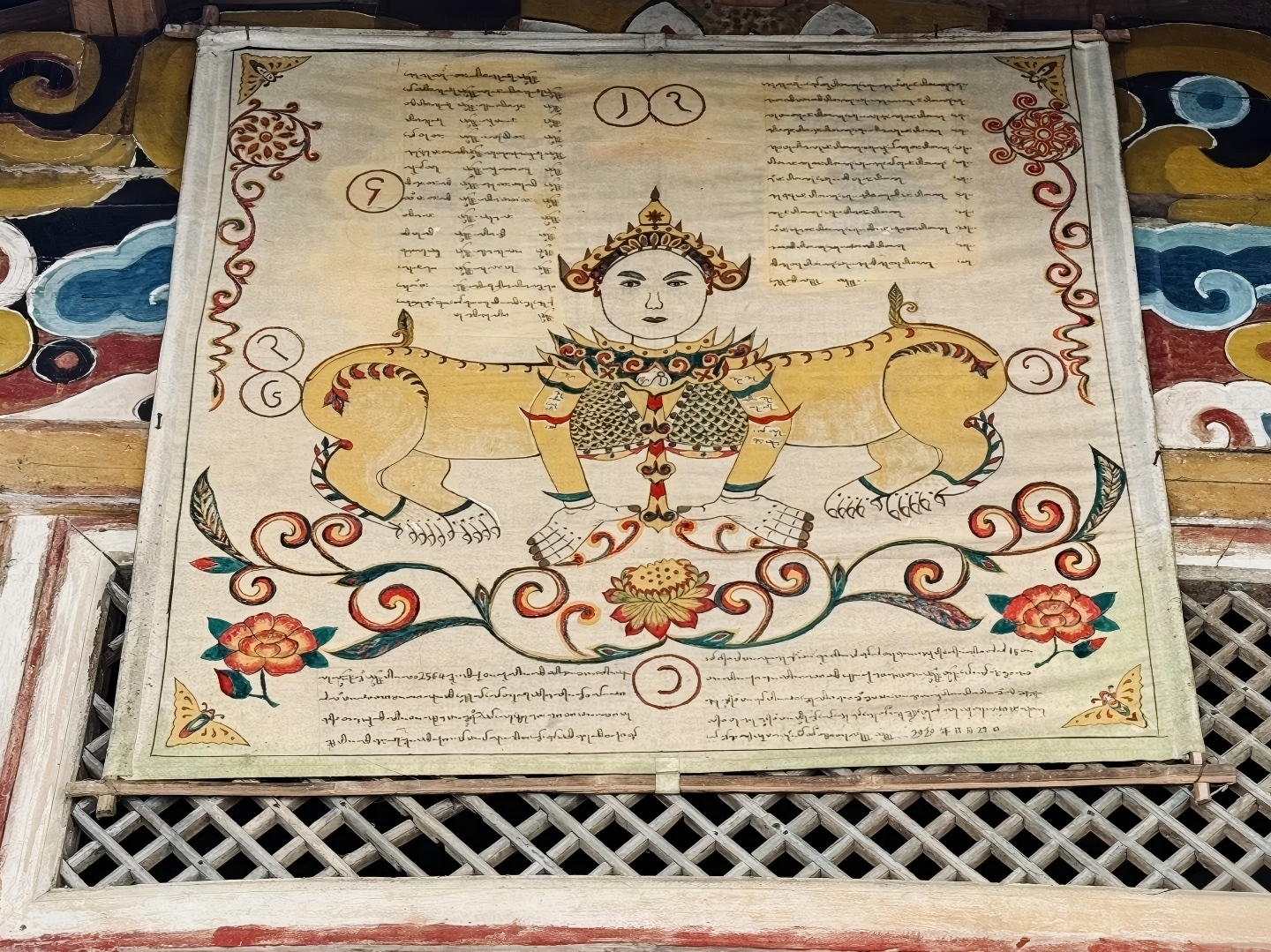
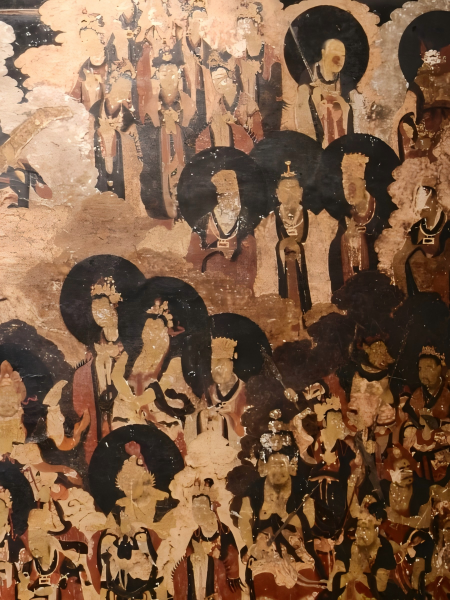
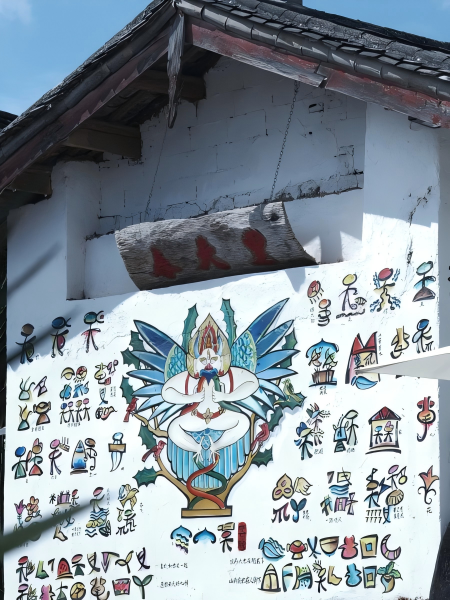
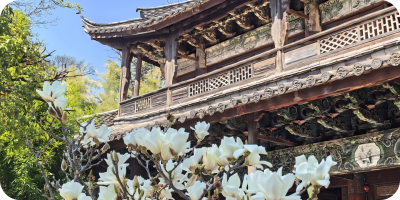 Passing through the deep alleys, sunlight filters across murals and workshops. Osemise guides you to meet mural artisans and Dongba culture practitioners, observing every step of color mixing and pattern creation. Inside the workshop, Dongba symbols are laid out layer by layer, the brushstrokes, pigments, and paper forming the activity scene, while Naxi music quietly plays in the background.
The itinerary follows the layout of the space: first participate in Dongba symbol work in the workshop, then observe artisans at the murals, and finally watch a performance of Naxi music in the courtyard. The order of activities aligns with the cultural layout of the town, allowing observation and participation to naturally blend into the environment rather than being highlighted as separate tasks.
The mottled murals, the symbols on paper, and the rhythm of the music are captured through action, creating continuous cultural traces. The entire journey records the town’s unique patterns of life and craftsmanship through space, actions, and sound, without any additional explanation or subjective interpretation.
 The most striking feature of Jade Dragon Snow Mountain is not its height or slopes, but the relationship between light and snow: how sunlight repeatedly refracts over the ridges and forms different patterns in clouds and on the snow. Osemise guides you from this perspective, placing your view at the points where you can best understand the mountain’s physical structure.
At the cable car station, the slope, layered rock formations, and glacial traces come into view. Our multilingual cultural guides point out how the vegetation breaks on the slopes mark the glacier’s retreat over time, and how snow lines and rock layers show the path of water flowing from the sky into the valley. You are not just looking at the mountain—you are reading its structure.
At the first viewing platform, you can see how cracks in the glacier walls and protruding ridges form tiny flows. These small streams are not demonstrations but actual geological processes. Osemise and the mountain guide have marked these spots to help you focus on essential features that are easy to miss. Every glance becomes a reading of the mountain’s structure.
As you ascend, light and shadow change rapidly. Sunlight at higher elevations is sharper, clouds may obscure or reveal the peaks. Osemise arranges brief pauses at points where light and angle highlight details such as fissures in the rock and snow, lines of flowing water under different lighting, and even how wind travels through folds in the terrain. This observation is not sightseeing—it is an immediate presentation of the mountain’s physical patterns, interacting with the environment rather than directing it.
Descending, you understand that the journey is not “checking off points.” It is about reading the mountain along three dimensions: structure, light refraction, and water paths. Osemise’s arrangement does not insert activities, but integrates viewing points into the fixed routes, exposing the structure in natural relationships and giving your observation depth and direction, rather than just “arrive and leave.”
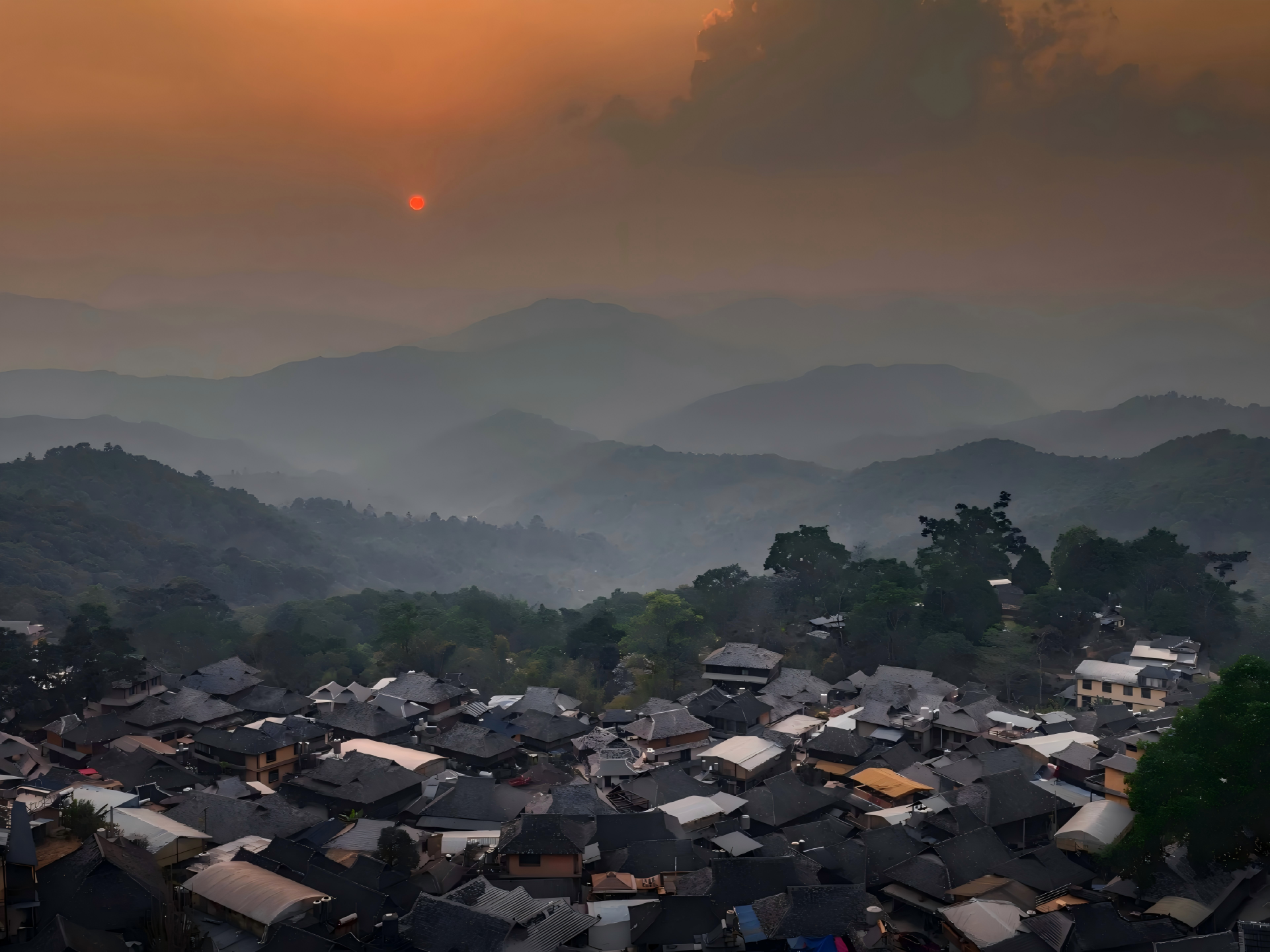
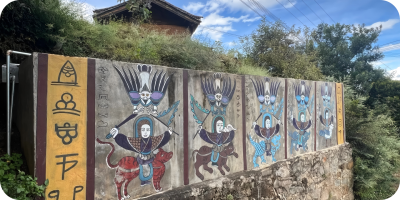 Wumu Village sits on the slopes above the river in Yunnan’s Yulong County, where village houses align with the hillside and reflect a clear pattern of space and lineage. Osemise begins your visit by placing you at the village entrance, where the arrangement of houses, narrow stone paths, and rooflines immediately shows how living spaces are organized in response to the land’s slope.
Walking uphill along the paths, Osemise guides you to observe how traditional village homes are structured: the position of wooden beams, carved door frames, and engraved symbols on lintels all correspond to family lineage and ancestry markers. Each house’s location on the slope and its orientation toward the valley reveal a system of spatial logic rather than a random layout.
As you move from one courtyard to another, Osemise’s local cultural guides help interpret the patterns you see: how family lineages are represented in building placement, how shared walls and stairways connect households, and how open spaces between homes serve collective functions. These details are observable in the physical layout of the village rather than explained abstractly.
Along the way, you’ll notice how open courtyards, roof overhangs, and stone terraces relate to sunlight, wind direction, and water runoff. Osemise points out how these environmental factors have shaped construction choices and how everyday movement — for chores, visits, and gatherings — follows lines that emerge from the terrain itself.
At a designated stop in the village center, Osemise helps organize the spatial observations you’ve gathered: diagrams of courtyard arrangements, notes on symbolic carvings, and annotated sketches of pathway connections between households. These materials are presented as reference tools that map how space, lineage markers, and daily movement intersect in Wumu Village, without guiding you toward any form of purchase or emotional interpretation.
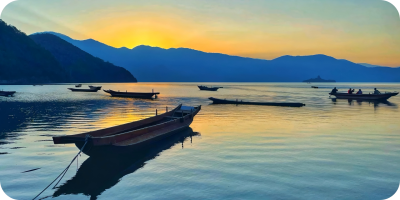 Lugu Lake is not just a scenic spot—it represents a living social system. Osemise organizes visits starting from the layout of Mosuo villages, guiding you into homes and courtyards to observe how matrilineal families are arranged and how walking marriages operate in daily life.
Entering the village, Osemise and local cultural guides arrange meetings with Mosuo families. Following local customs, you move through courtyards, observing living rooms, ancestral halls, and kitchens, showing the actual positions of family members and their relationships. You can see how the mother’s household determines where each member lives, and how children and visiting relatives are arranged within daily paths—this is spatial reality, not theory.
During discussions with family members, Osemise provides simultaneous translation and cultural explanations, helping you understand the structural rules of walking marriages. These are not romantic stories but social behaviors—daily visit times between partners, choice of residence, and division of family responsibilities. These explanations are given within courtyards or near kitchen areas, not in formal lectures, letting the practices themselves show the behavioral patterns.
In the afternoon, in the village’s shared spaces, you can observe the path networks between households: firewood placement, water collection routes, children’s study areas, and spaces for small livestock. These details are part of daily life, and Osemise guides your observation to understand how these spatial arrangements operate. Observation is not a glance—it is tracing the correspondence between behavior and space to understand the social system.
At the end of the visits, naturally generated information is organized as reference materials: diagrams of courtyard layouts, walking marriage relationship charts, household path maps, and notes from the visits. These materials are not commercial products, but serve as a practical reference for understanding the Mosuo social system—not a superficial sightseeing experience.