yunnan ethnie
The Mongolian: Horsemen by the Highland Lake
Geographic Habitat: Fishing Villages by Qilu Lake
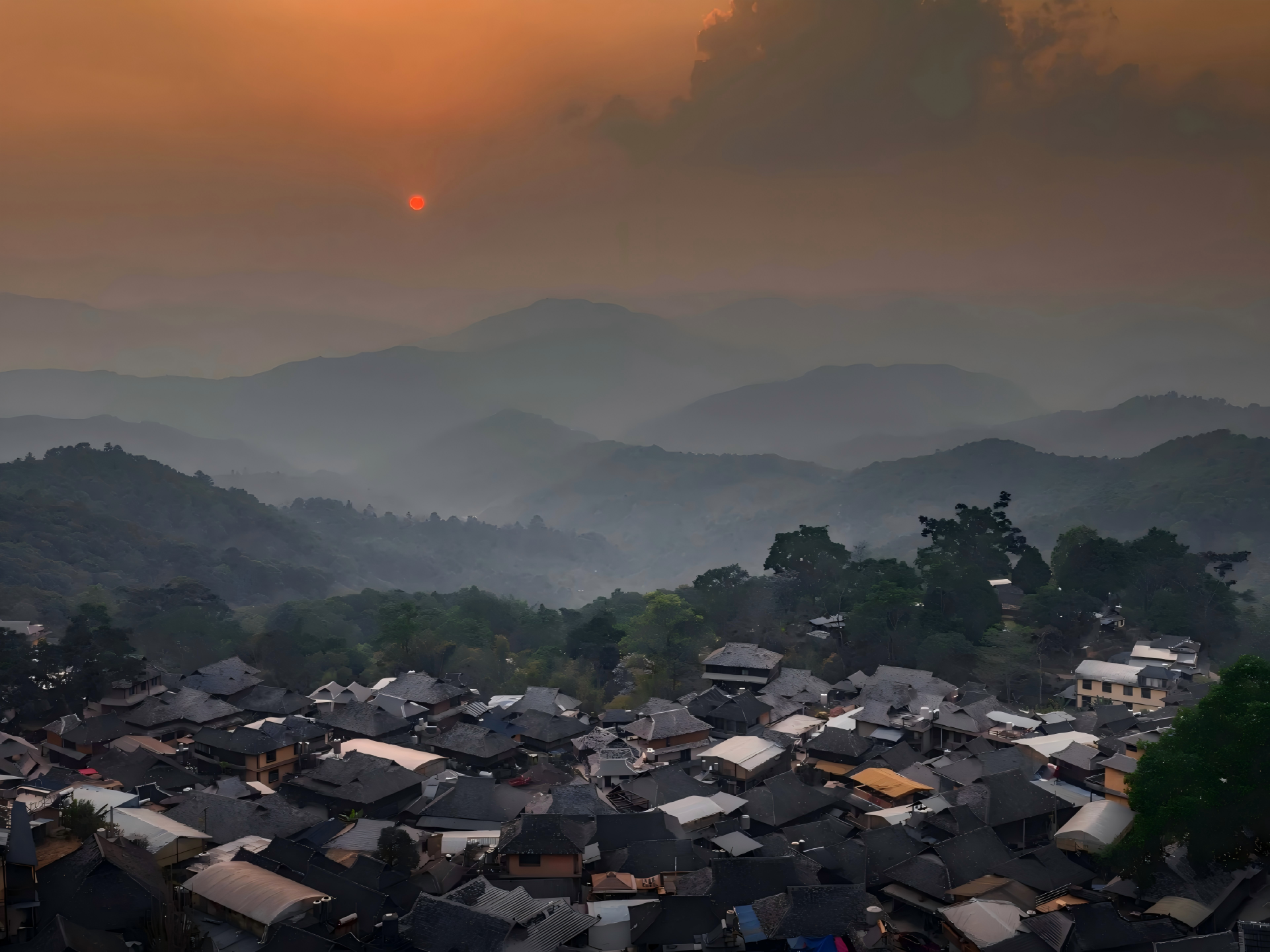
By the shores of Qilu Lake in Tonghai County hides a highly counter-intuitive spectacle—the Xingmeng Mongolian Ethnic Township. The Mongolian people here do not have endless steppes or galloping steeds; instead, they live in a shimmering lake basin. Building their homes in a watery landscape, accompanied by misty rains reminiscent of Jiangnan, they have constructed a soft and humid sanctuary completely belonging to the south.
Historical Roots: The Tender Turn of Iron and Steeds
This is one of the most incredible transformations in the history of human migration. In the 13th century, Kublai Khan’s vast Mongolian army marched south; after the conquest, some soldiers chose to settle in Tonghai. Over 700 years, this nomadic people who once ruled from horseback were completely rewritten into southern water-dwellers adept at fishing, farming, and architecture. Swords turned into fishing nets, and battle cries became fishing songs. Yet, their inherent resilience and adaptability allowed this tribe, having lost its steppe, to miraculously thrive in the waters of a foreign land.
Spiritual Totem: Worship of the Great Khan and the Symphony of the Waterscape
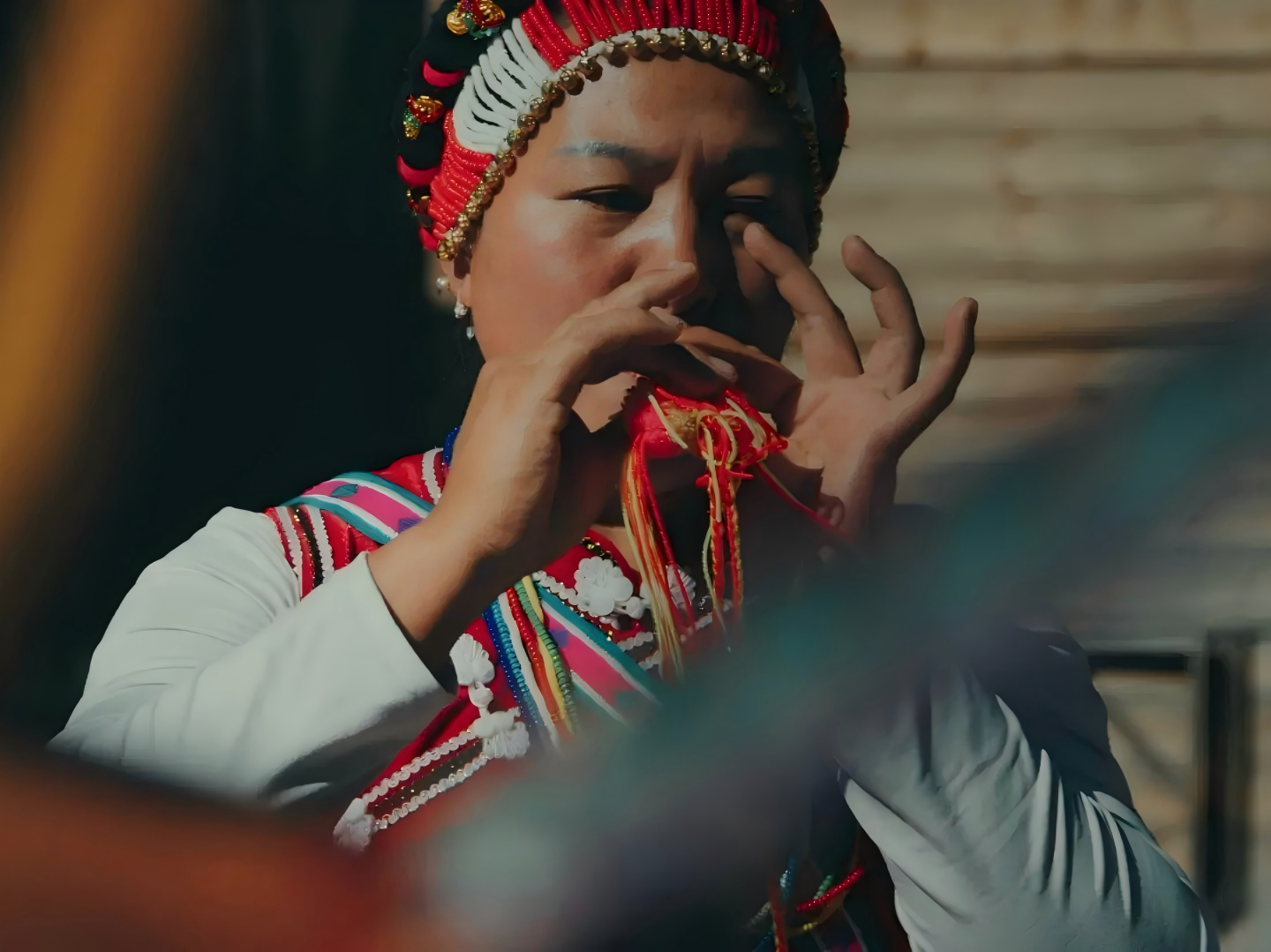
Even though their lifestyle has been completely “southernized,” the souls of Yunnan’s Mongolians still gaze toward the northern wilderness. In the center of their villages, the sacred image of Genghis Khan is still enshrined. During their annual “Nadaam” (Luban Festival), they still wear modified Mongolian attire and perform dances imbued with the charm of the waterscape. This faith—which perfectly blends an endless nostalgia for the great steppes with deep affection for the lake beneath their feet—reveals a civilizational vitality that transcends time and space, being extremely heroic yet incomparably romantic.
More From yunnan ethnie