yunnan ethnie
The Hui: Caravan Echoes Beyond the Mosque
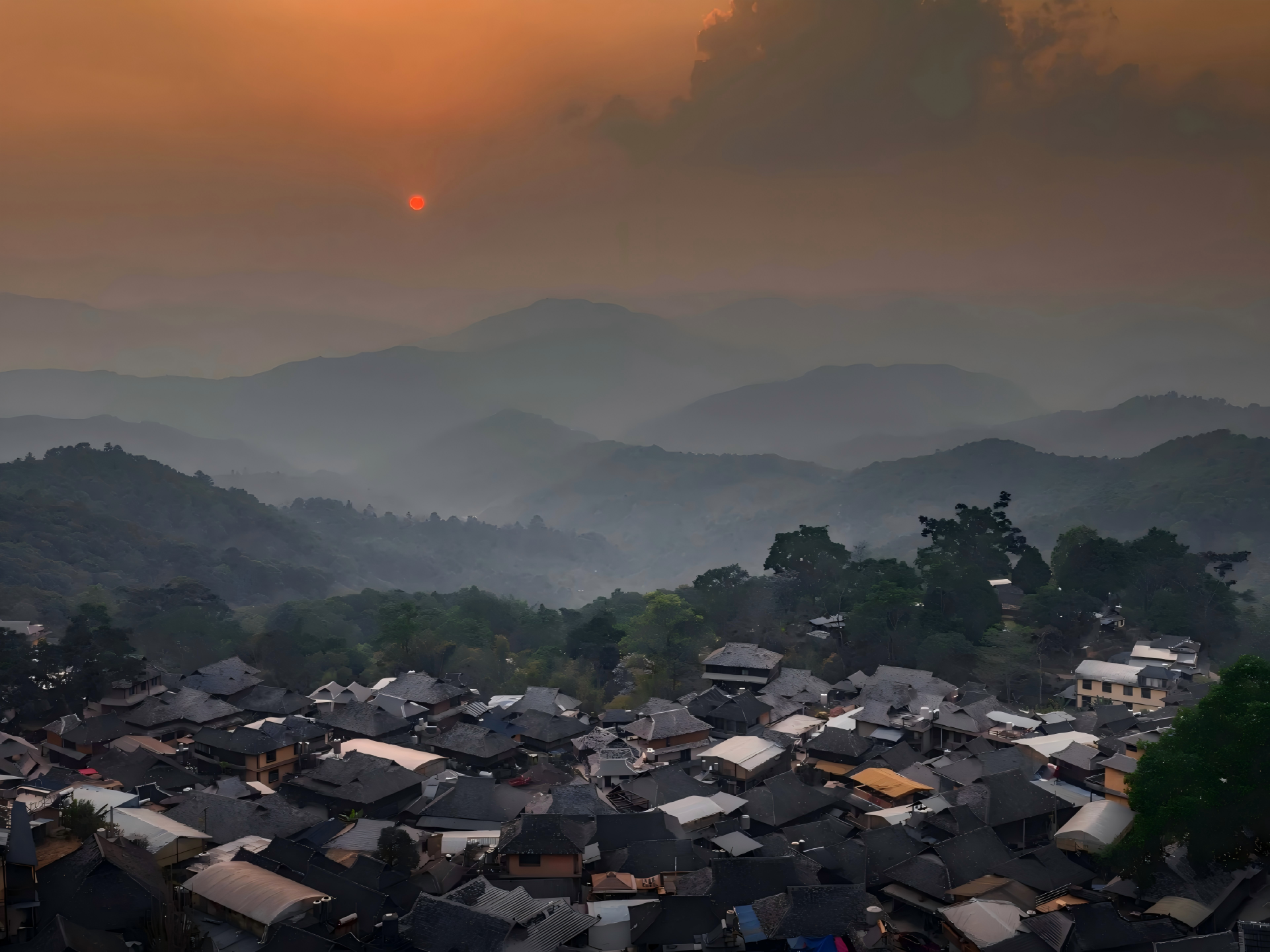
Geographic Habitat: Grey Bricks and Dark Tiles in Ancient Trading Hubs
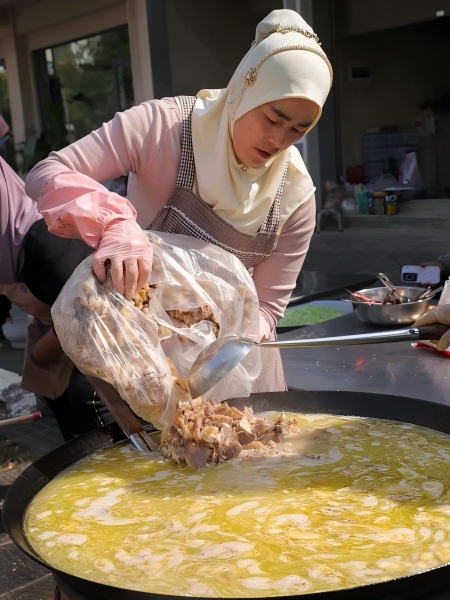
Following the arteries of the Yunnan-Tibet Tea Horse Road, the Hui people in Yunnan mostly settled in towns with abundant resources or crucial transit hubs. In the alleys of Weishan, Jianshui, or Shadian, they have constructed a wondrous architectural aesthetic—perfectly blending Islamic domes with traditional Chinese sweeping eaves. The tranquil mosques and the bustling streets wafting with the aroma of roasted meats interweave to create a clean, welcoming, and vibrant living space.
Historical Roots: Century-Old Chronicles of Western Pioneers
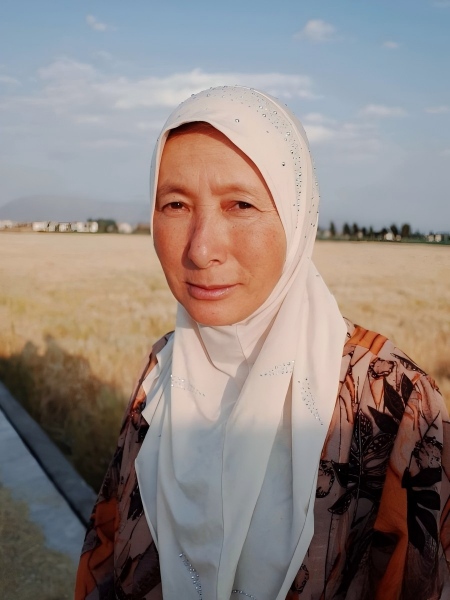
The history of the Hui in Yunnan is a chronicle intertwined with the frontier expansions of the Yuan, Ming, and Qing dynasties. The ancestors from the Western Regions, who followed Sayyid Ajjal Shams al-Din Omar to govern Yunnan, built irrigation systems and cultivated the red earth. They were not only agricultural builders but also fiercely resilient and highly trusted commercial pioneers on the Tea Horse Road. The crisp ringing of horse bells echoing through the Hengduan Mountains carried not just Pu’er tea, but the resilience and broad-mindedness of the early Hui people across the plateau.
Spiritual Totem: The Reconciliation of Pure Faith and Earthly Life
The word “Qingzhen” (Halal) is not only the bottom line of the Hui diet but the highest law of their spiritual world. Through the melodious call to prayer five times a day, they fulfill their devout faith in Allah and the cleansing of their own souls. Yet, this faith is not detached; it melts naturally into a steaming bowl of beef noodles, into the laughter of Eid al-Fitr, and into the mutual support of neighbors. In the Hui worldview, the pursuit of soul’s purity and the love for secular life reach a perfect reconciliation.
More From yunnan ethnie