yunnan ethnie
The Nu: Wooden Cabins Breathing with the Canyon
Geographic Habitat: A Hidden Wonderland in the Nujiang Grand Canyon
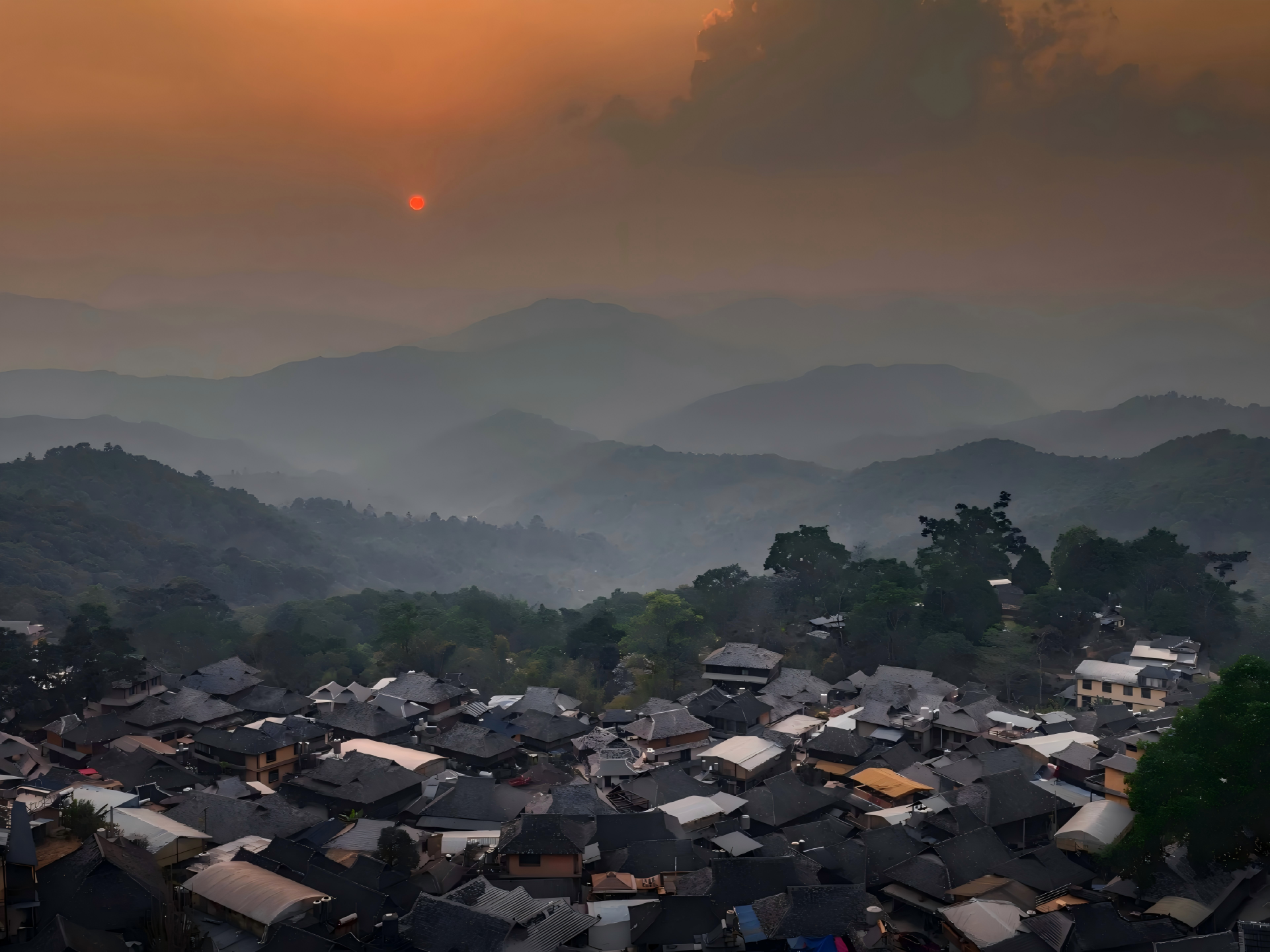
In the heartland of the Nujiang Canyon, in places like Wuli Village, the Nu people guard a pure land where “humans and deities reside together.” Foraging local materials, they build elegantly staggered wooden cabins using pitch-black timber, roofing them with thin slate tiles. Whenever morning mist rises from the river, half-concealing the village, time here seems to freeze in a medieval state.
Historical Roots: The Survival Philosophy of Canyon Indigenous People
The Nu, as their name implies, are the true indigenous people born and raised alongside the Nu River. They have no heavy volumes of written history, but their ancient crossbows, known as “Dabiya,” and the buckwheat fields swaying in the wind on the hillsides are their proof of enduring life against barrenness. The Nu are a quiet people; accustomed to listening to the roar of the great river, they bury the resilience of their lives deep within the soil of the canyon.
Spiritual Totem: Offering Flowers to Deities and the Reconciliation with All Things
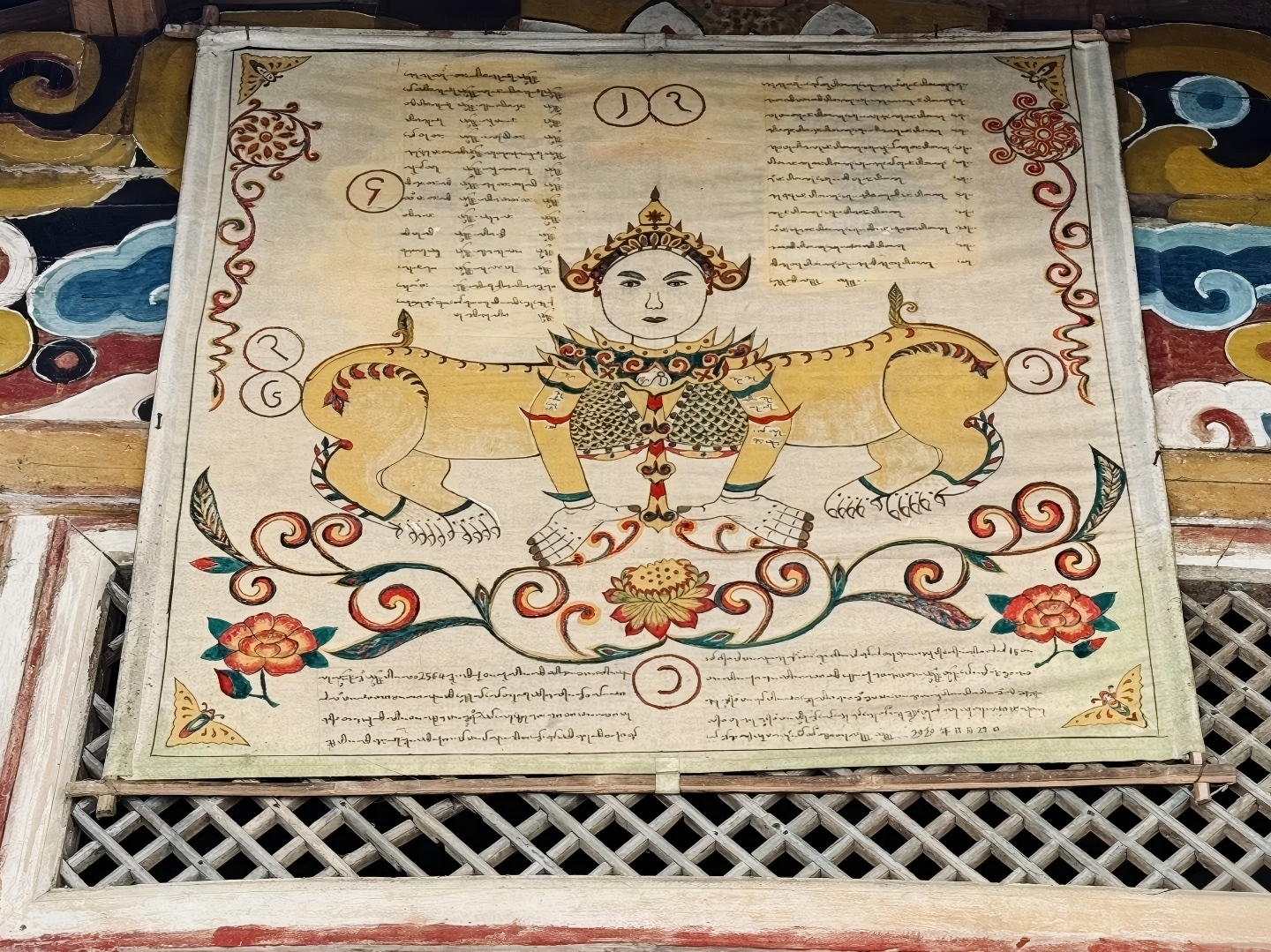
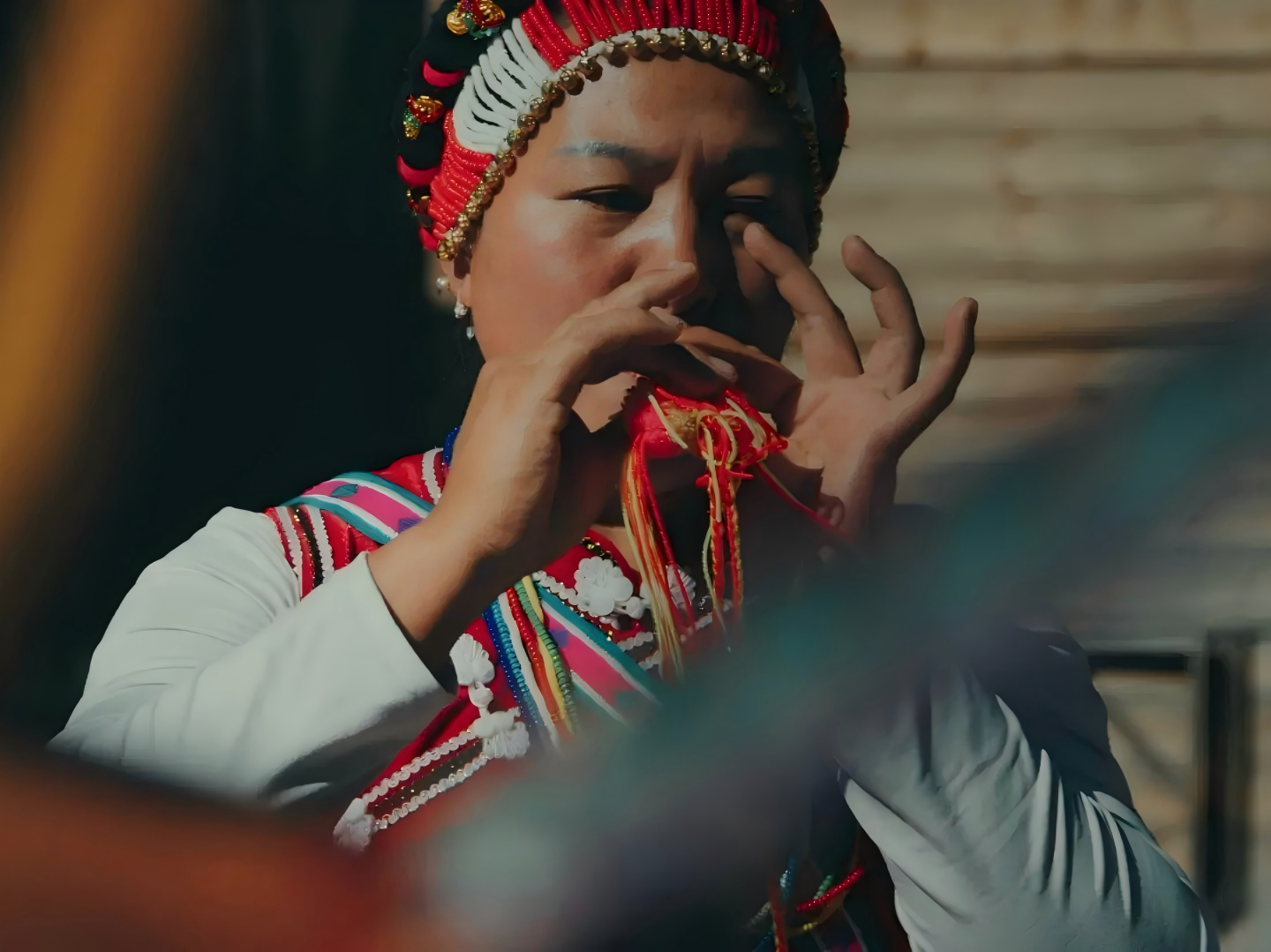
In the ancient beliefs of the Nu, mountains, rivers, trees, and rocks all possess spirits. During the “Flower Festival” (Fairy Festival) in the third lunar month, the Nu gather wild flowers from across the mountains to honor “Arong,” the legendary fairy who invented weaving and calendars. This ritual of expressing reverence through flowers is full of primitive romanticism. It reveals that even within extremely harsh natural environments, the Nu people maintain their pursuit of beauty and a gentle reconciliation with all living things.
More From yunnan ethnie