Jianshui: Where History and Flavor Meet
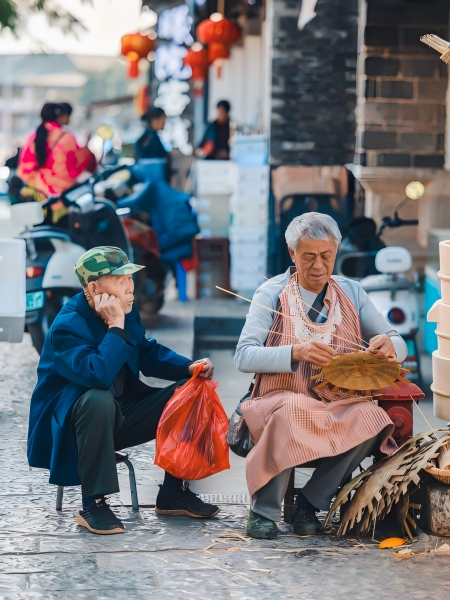
Step into Jianshui, a town where ancient streets wind past Ming and Qing (1368-1912) dynasty architecture, and tranquil canals reflect centuries of local life. Every corner tells a story, from ancestral halls to bustling markets filled with artisan crafts.
Wander through cobbled lanes guided by local experts who reveal hidden gems—from quiet temples to serene gardens. Each stroll offers a glimpse into traditions that have been lovingly preserved for generations.
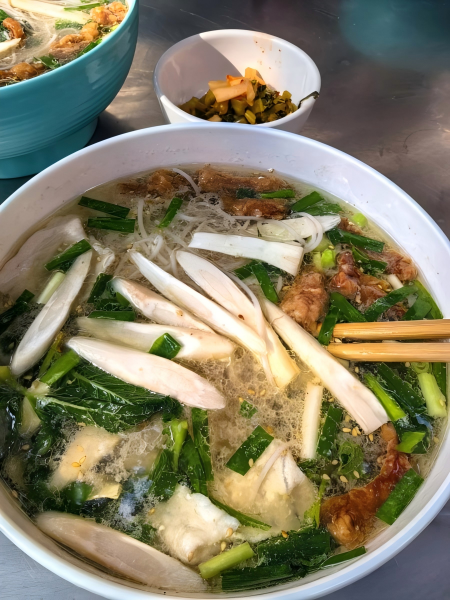
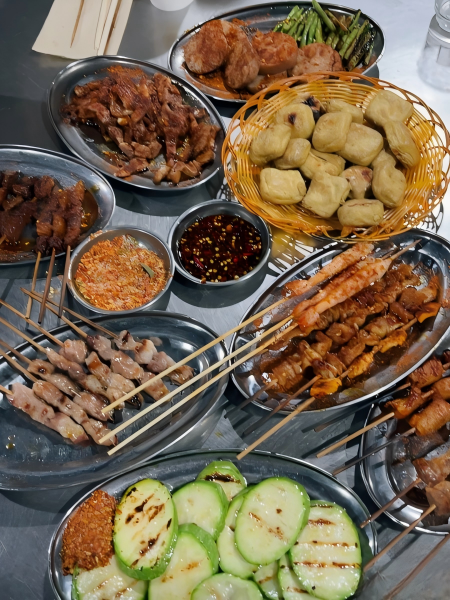
Savor the distinct tastes of Jianshui, from smoky Jianshui Barbecue to fresh tofu and tea culture. Feel the warmth of the local community and let the town’s rhythms turn every visit into a memory worth carrying home.
Meet Jianshui
Where it is:
Jianshui is located in southern Yunnan, China, about 200 km south of Kunming and roughly 90 km east of Pu’er. The town is known for its historic streets, rivers, and well-preserved traditional architecture, giving visitors a sense of Yunnan’s cultural depth.
Altitude:
The town sits at around 1,300 meters above sea level, with a mild, lowland plateau climate.
Weather:
Warm and comfortable for most of the year. Spring and autumn range from 15–25°C, summer 20–30°C, and winter 10–20°C. The rainy season is mainly June–August, while November–April stays drier with abundant sunshine.
People & Language:
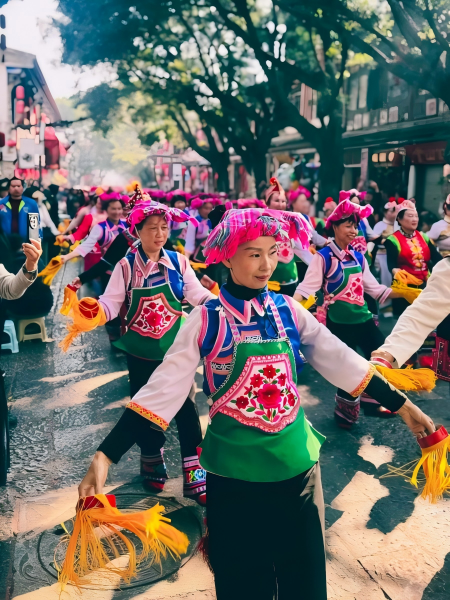
Population is roughly 400,000–500,000, including Han, Hani, Yi, and other ethnic communities. Mandarin is widely spoken, and local dialects and traditions remain strong, especially in daily life and crafts.
Getting Around:
Jianshui is accessible via Kunming or other regional hubs by train or bus. Local transportation includes taxis, shared vans, and bicycles, making it easy to explore historic streets, temples, and nearby villages.
Tips for Your Visit:
Best time: March–November. Take time to stroll historic streets, visit Confucian temples, admire traditional architecture, and observe local crafts. Respect local customs and the pace of life, which moves slower than in larger cities.
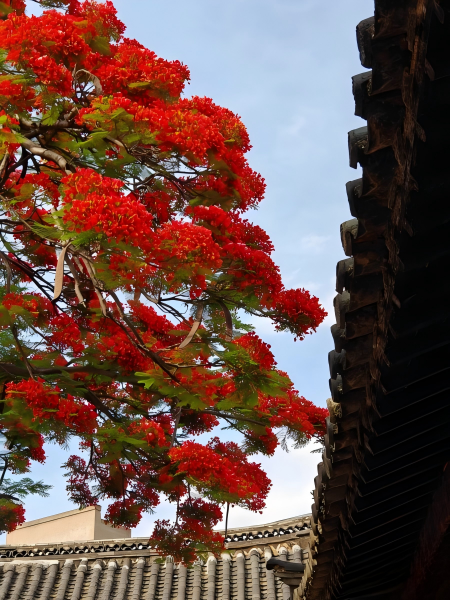
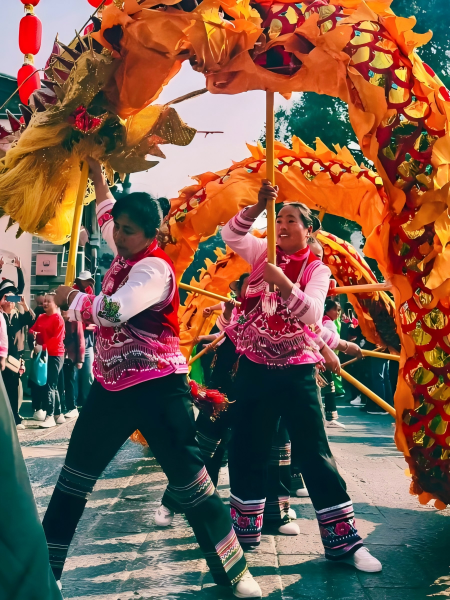

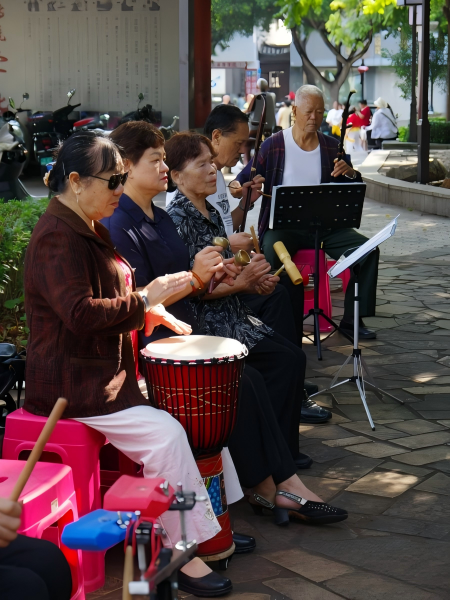
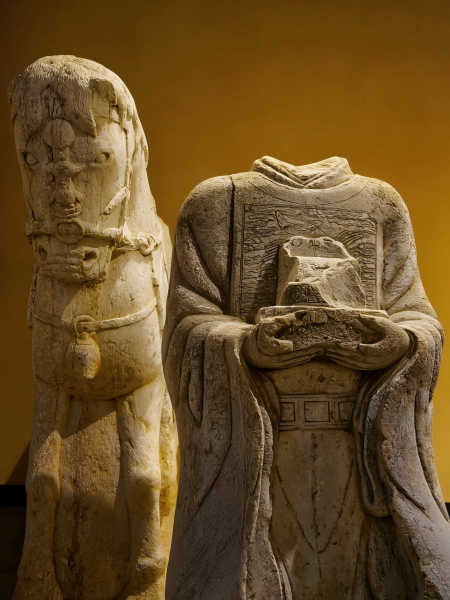
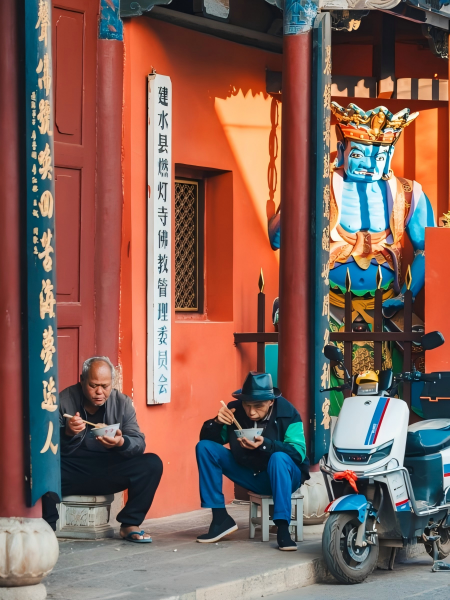
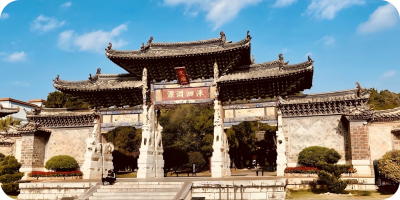 Built in 1285, this temple is 24 years older than the famous Confucius Temple in Beijing. Every day at noon, sunlight filters through the ancient arches, casting flickering shadows across the courtyard.
This is when the children begin to read. Their voices—in Mandarin, Yi, and Hani—blend together in the air. We listen quietly, knowing this sound has remained unbroken for over 700 years.
Here, the classics are not “antiques” gathering dust on a shelf. They are living words, read aloud by children every single day.
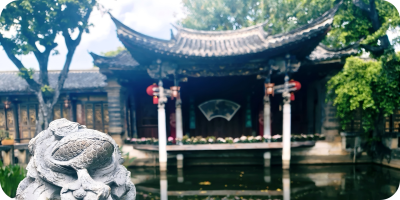 In the late Qing Dynasty (1644-1912) , the Zhu brothers spent thirty years building this grand estate. With over 200 rooms and 40 courtyards, it is a place where the architectural wisdom of the Han, Yi, and Bai people meets.
Yet, what moves us most isn’t just the exquisite design—it’s the fact that life still flourishes here today. You can hear children playing in the courtyards and catch the warm scent of home cooking wafting from the kitchens.
As sunlight filters through the carved windows, it casts century-old patterns onto today’s stone floors. Here, time flows in one continuous breath; there is no gap between the past and the present.
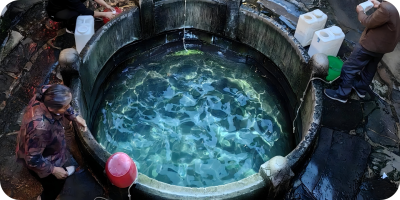 In 1382, soldiers stationed at the border dug the very first well here. Six centuries have passed, but every morning, you can still see Hani women coming to fetch water. Over time, their ropes have worn deep, smooth grooves into the stone railings.
Standing by the edge, we watch the buckets dip and rise, catching the sparkling morning light in every splash. At the corner of the alley, the local tofu shop starts its busy day, as the tofu on the charcoal fire slowly turns a perfect golden brown.
Here, time is something you can actually see—it’s in every bucket of water and every simple, quiet day that passes by.
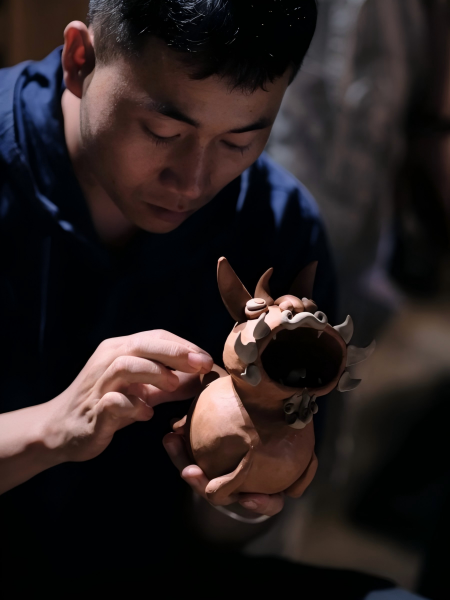
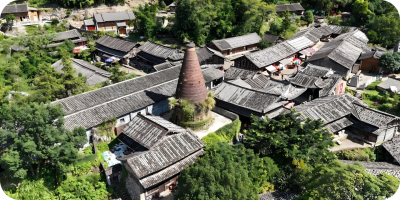 Since the Song Dynasty (960-1279) , the kiln fires here have never stopped burning. Artisans carve Han characters, Yi totems, and Hani symbols into the raw clay before sending them into the heart of the kiln. Under the intense heat of 1,300°C, these distinct cultural imprints slowly melt and blend together.
On the finished Purple Pottery, the “fragmented calligraphy” patterns look like memories that have been rearranged. Holding a piece in our hands, we don’t just see a single tradition—we see a beautiful harmony of different civilizations, born from the flames.
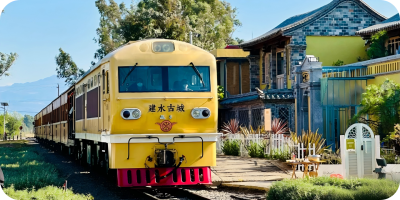 In 1915, the French laid these iron tracks. Over a century later, this small train still rumbles along at a leisurely 20 kilometers per hour.
It moves so slowly that the world outside the window becomes a series of vivid portraits: farmers tending their fields, women washing clothes by the river, and children chasing the carriages with pure joy.
In an era that demands speed, this unhurried pace is a rare luxury. As the train rolls through the golden fields, it whispers a simple truth: sometimes, you have to slow down to truly see the beauty of the world.
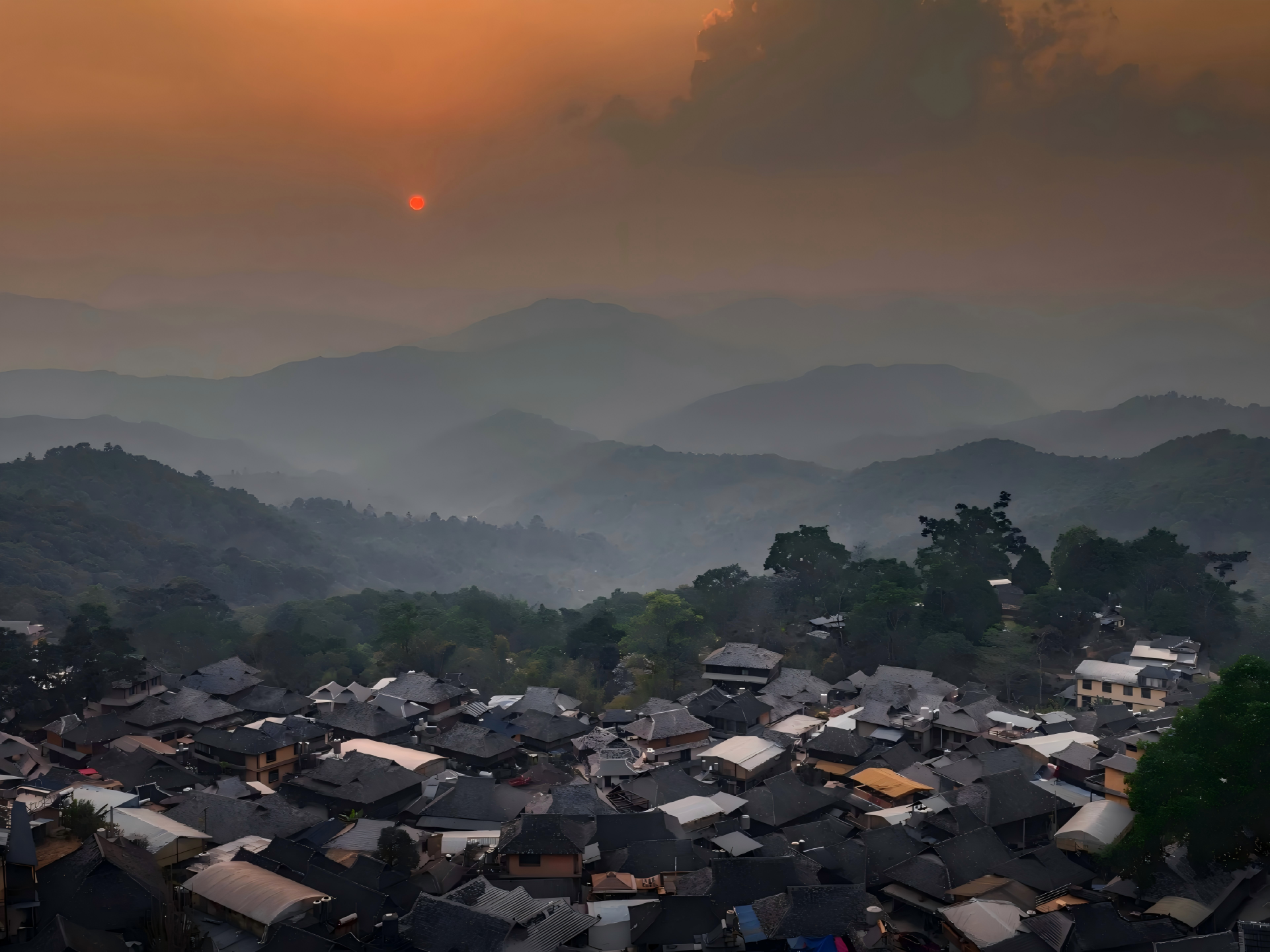
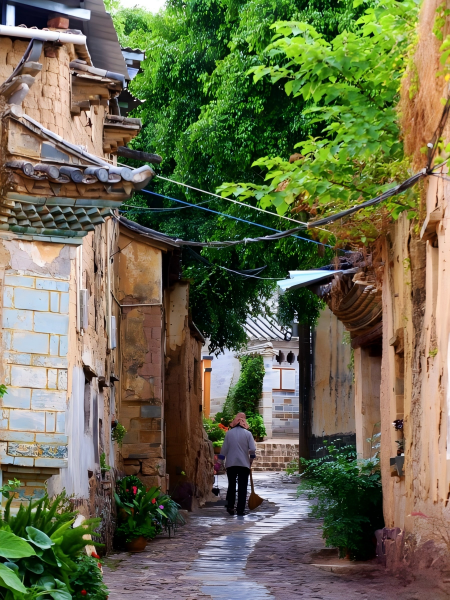
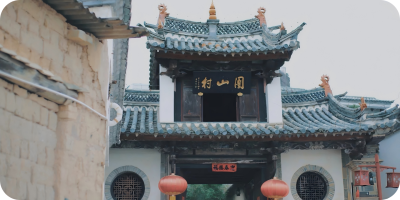 This village has stood here since the Ming Dynasty (1368-1644) . A “World Heritage” plaque greets you at the entrance, yet the moment you step inside, you are wrapped in the warmth of everyday life.
You see this year’s corn drying in the courtyards, children racing down centuries-old stone paths, and elders chatting peacefully by their doors.
The best way to preserve history isn’t to lock it away behind glass, but to let life simply carry on. Here, history is never just in the past tense—it is a living, breathing present.
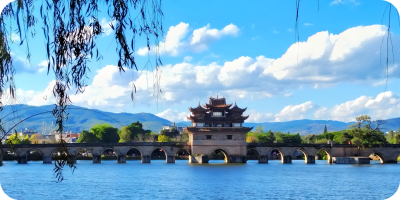 Shuanglong Bridge was built in two distinct chapters of history—first, three arches rose during the Qianlong (1735-1796) era, and fifty-two years later, fourteen more were added in the Daoguang (1820-1850) era.
As evening falls, the setting sun bathes all seventeen arches in a warm golden glow. Beneath the bridge, an elderly herder guides his cattle along the water’s edge. Reflected perfectly in the river, the bridge forms a seamless circle, a quiet mirror of time itself.
Standing at its end, you can feel centuries converging, a moment where the past and present seem to embrace.