Pu’er: A Gentle Interval Between Coffee and Tea
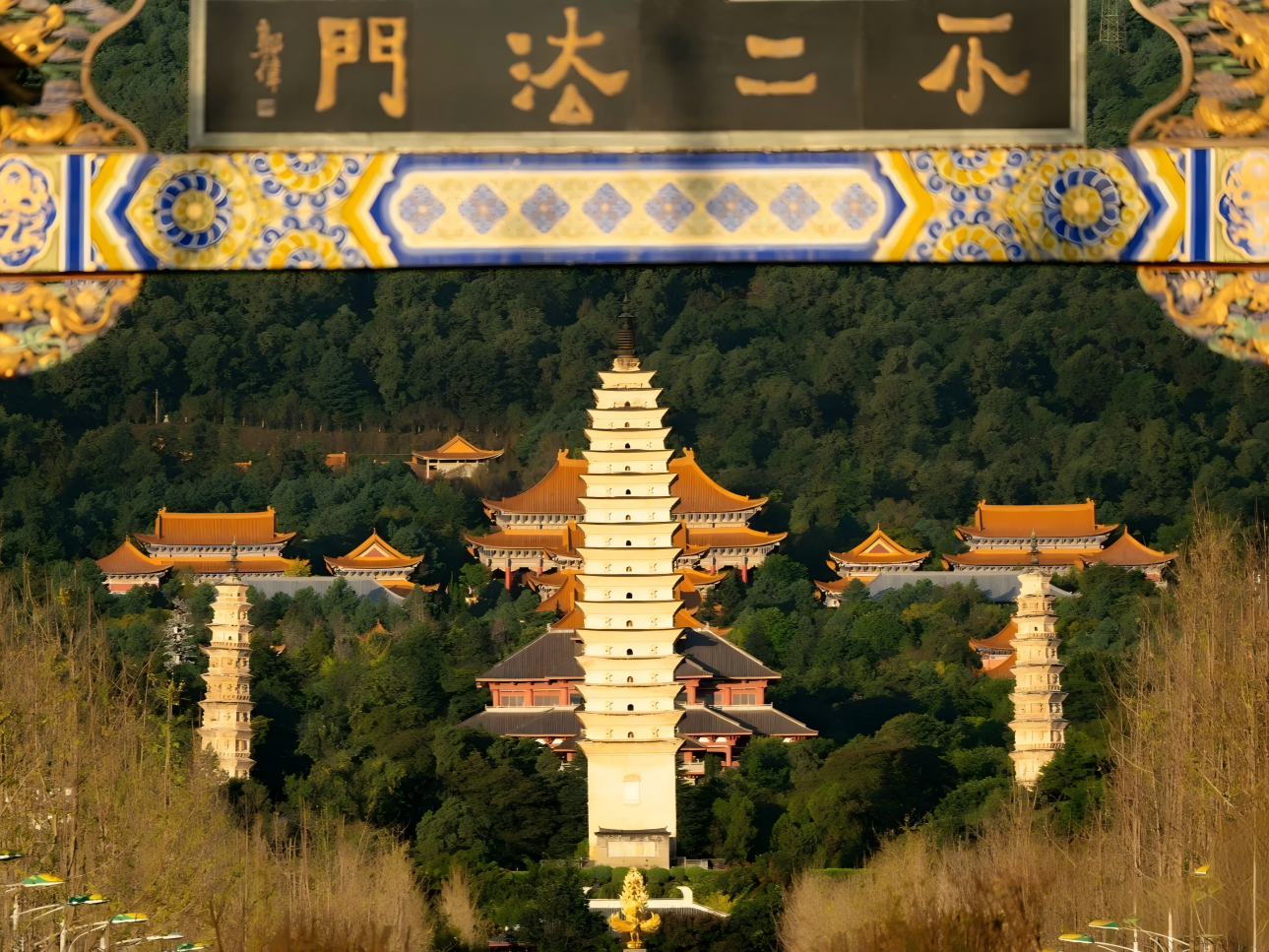
If a journey through Yunnan is a sprawling scroll of art, Pu’er is the page soaked in the shared fragrance of tea and coffee. Here, you won’t find the physical strain of high-altitude peaks or the crowded streets of ancient tourist towns.
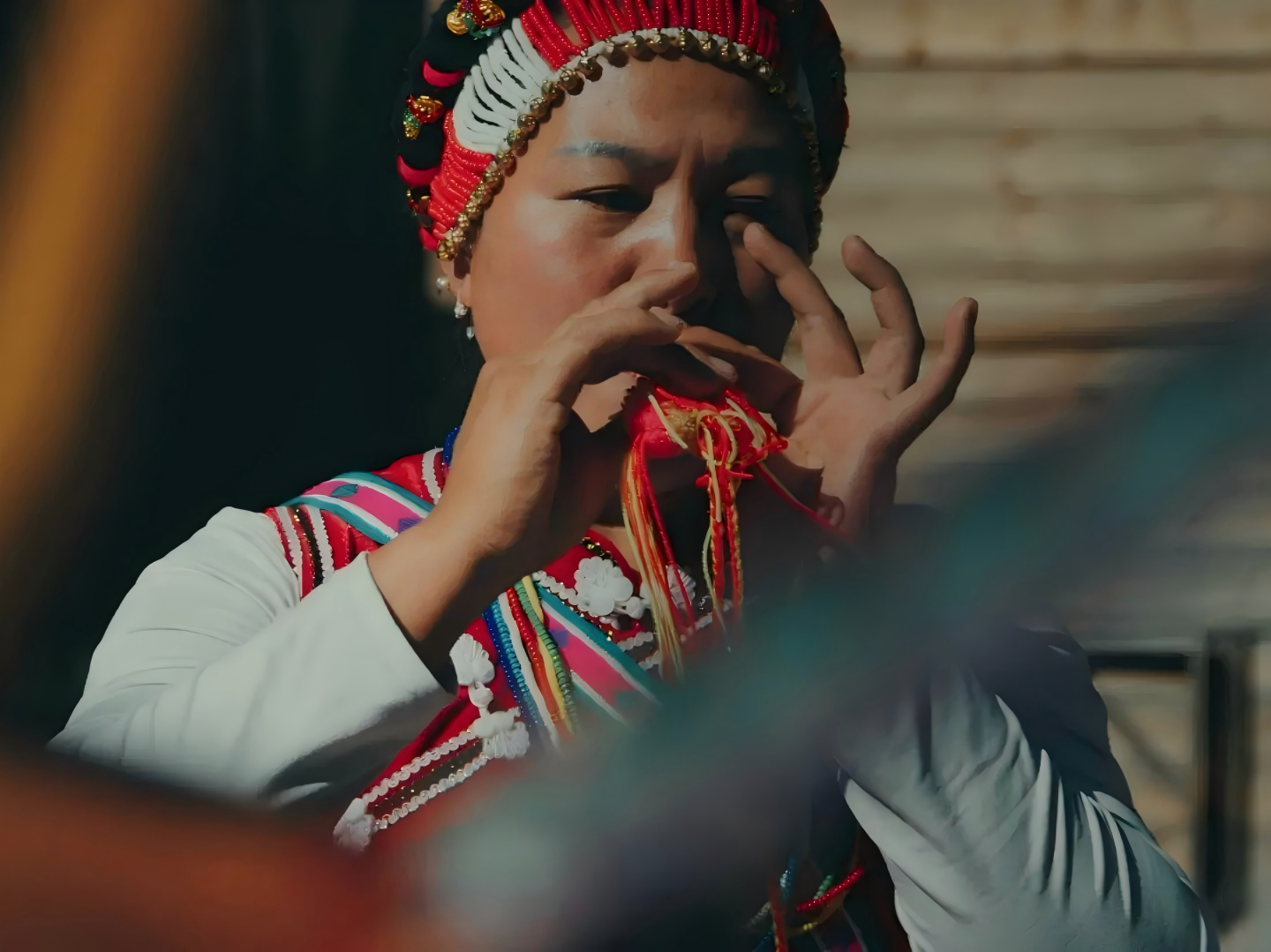
The rhythm of Pu’er is the warmth of subtropical sunlight filtering through layers of leaves; it is the air where the mellow depth of thousand-year-old tea meets the toasted aroma of roasting coffee beans.
It invites you not to conquer, but to immerse—finding your own slow, soulful moments amidst a cup of tea, a shot of espresso, an ancient trail, and a sea of clouds.
Meet Pu’er
Where it is:
Pu’er is located in southern Yunnan, China, neighboring Xishuangbanna (≈180 km), Jinghong (≈130 km), and Kunming (≈360 km).
Altitude:
City center: ~1,350 m | Surrounding mountains: up to ~2,000 m
Weather:
Subtropical and mild; wet season in summer, drier in winter, with abundant sunshine year-round.
People & Language:
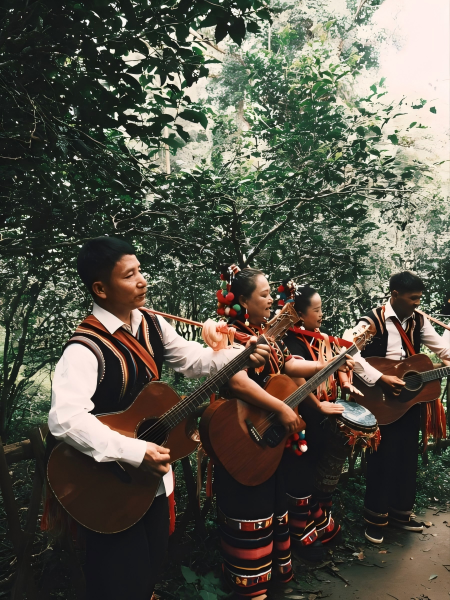
~2.5 million residents, including Hani, Dai, Yi, and Han communities. Mandarin is widely spoken; local ethnic languages thrive in villages.
Getting Around:
Accessible via airport, train, and highways; buses connect nearby towns and tea plantations.
Tips for Your Visit:
Best time: March–November. Explore tea plantations, sample Pu’er tea, and immerse yourself in local ethnic culture.
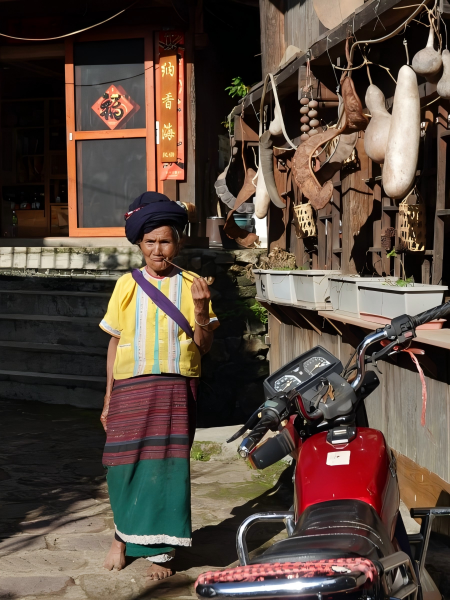

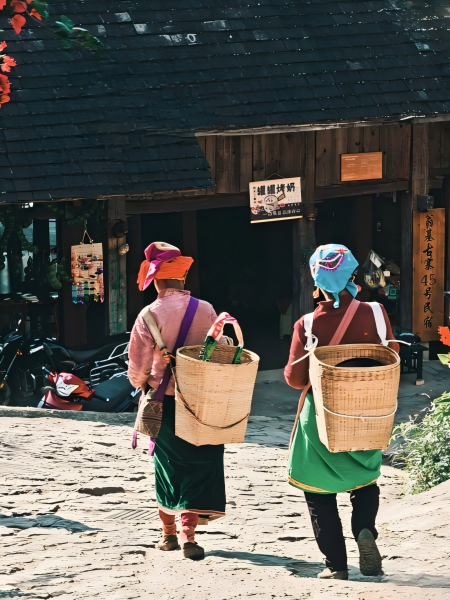
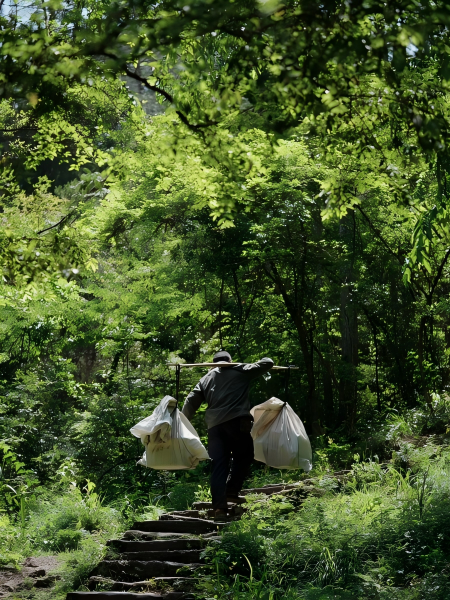
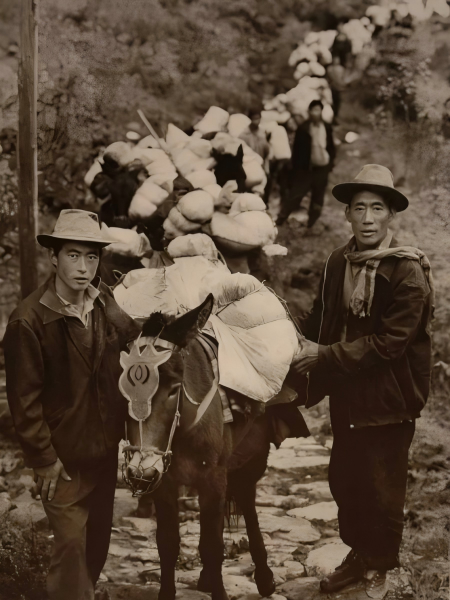

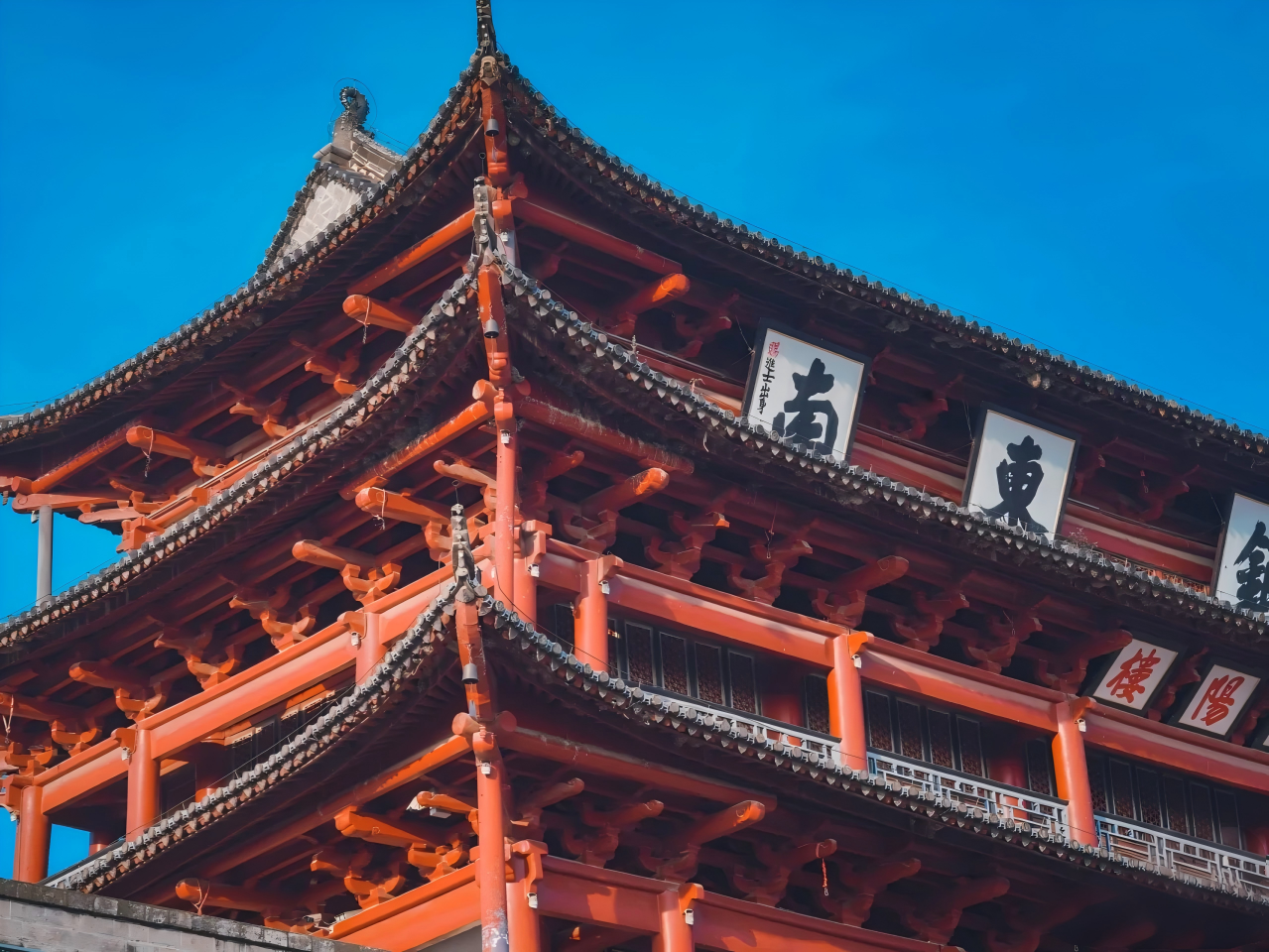
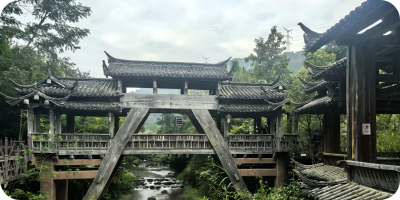 Less than a half-hour drive from Pu’er, time begins to slow its pace. Nakeli, once a vital outpost on the ancient Tea Horse Road, hasn’t drifted into a deep historical slumber—it is still breathing.
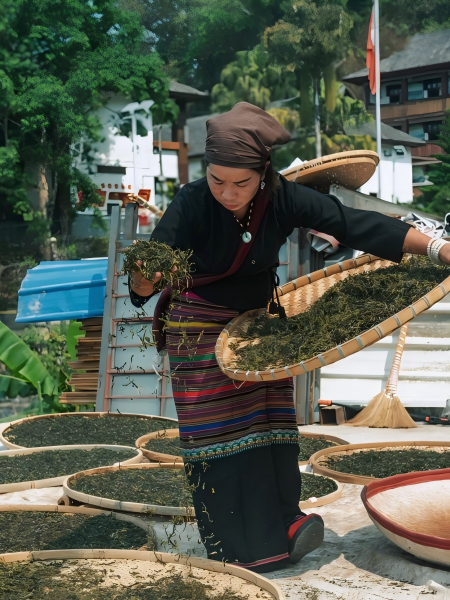
As you step onto the blue stone paths worn smooth by the ages, the deep hoofprints underfoot tell the most vivid stories of the past. At the “Rongfa Caravan Inn,” the old couplet still welcomes travelers: “Through difficult passes, who shall lead? At this chance meeting, I shall be your host.” You can almost hear the bustling laughter of the caravans that once rested here. Yet, the true beauty lies in the present: the scent of grilled tofu wafting from roadside stalls, an elderly woman quietly sorting tea leaves under the eaves, and the rhythmic creak of the great waterwheel by the stream.
Here, history is not a cold relic; it is woven into every trail of hearth smoke and every local greeting. You can press a Pu’er tea cake with your own hands, or simply sit by the Wind-and-Rain Bridge, listening to the murmuring water and watching the clouds drift by—wrapped in a gentle, timeless peace.
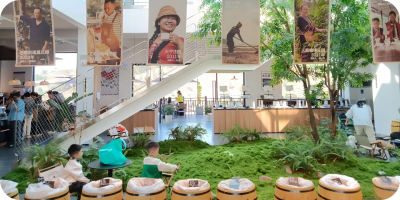 Few realize that Pu’er is not only the “Capital of Tea” but also China’s most significant specialty coffee origin. Hidden within rolling valleys, the coffee estates here offer a starkly different experience—one defined by the tactile joy of hand-crafting.
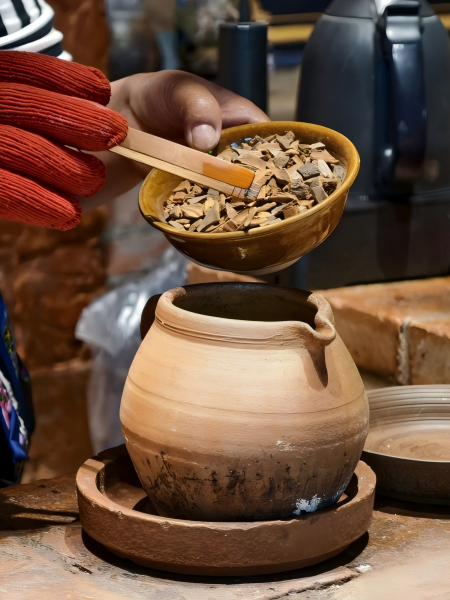
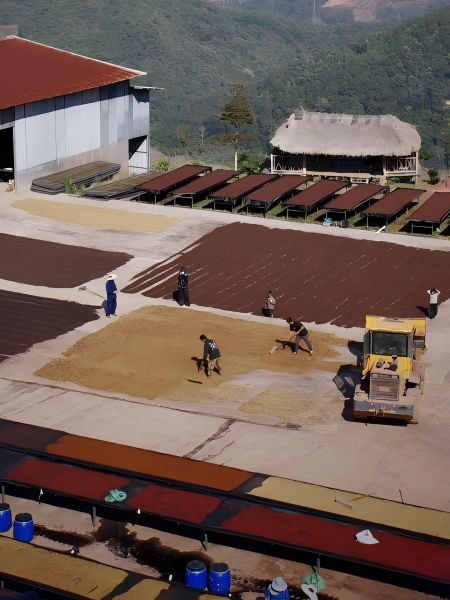
Stepping into estates like Xiaoauzi or Dakaine Meizi, you embark on a wondrous “seed-to-cup” journey. You can hand-pick ruby-red coffee cherries directly from the branch, learn the delicate arts of washed or natural processing, and lean over the roaster as the beans release their hidden notes of caramel and toasted nuts. Finally, under a barista’s guidance, you brew a cup that is uniquely yours. Many estates are designed like miniature nature parks; you might sit on a terrace overlooking rice paddies or inside a minimalist “meditation room,” sipping slowly while facing a sea of emerald coffee trees. This sense of fulfillment, born from creation and blended with raw natural beauty, is Pu’er’s unique gift to every coffee lover.
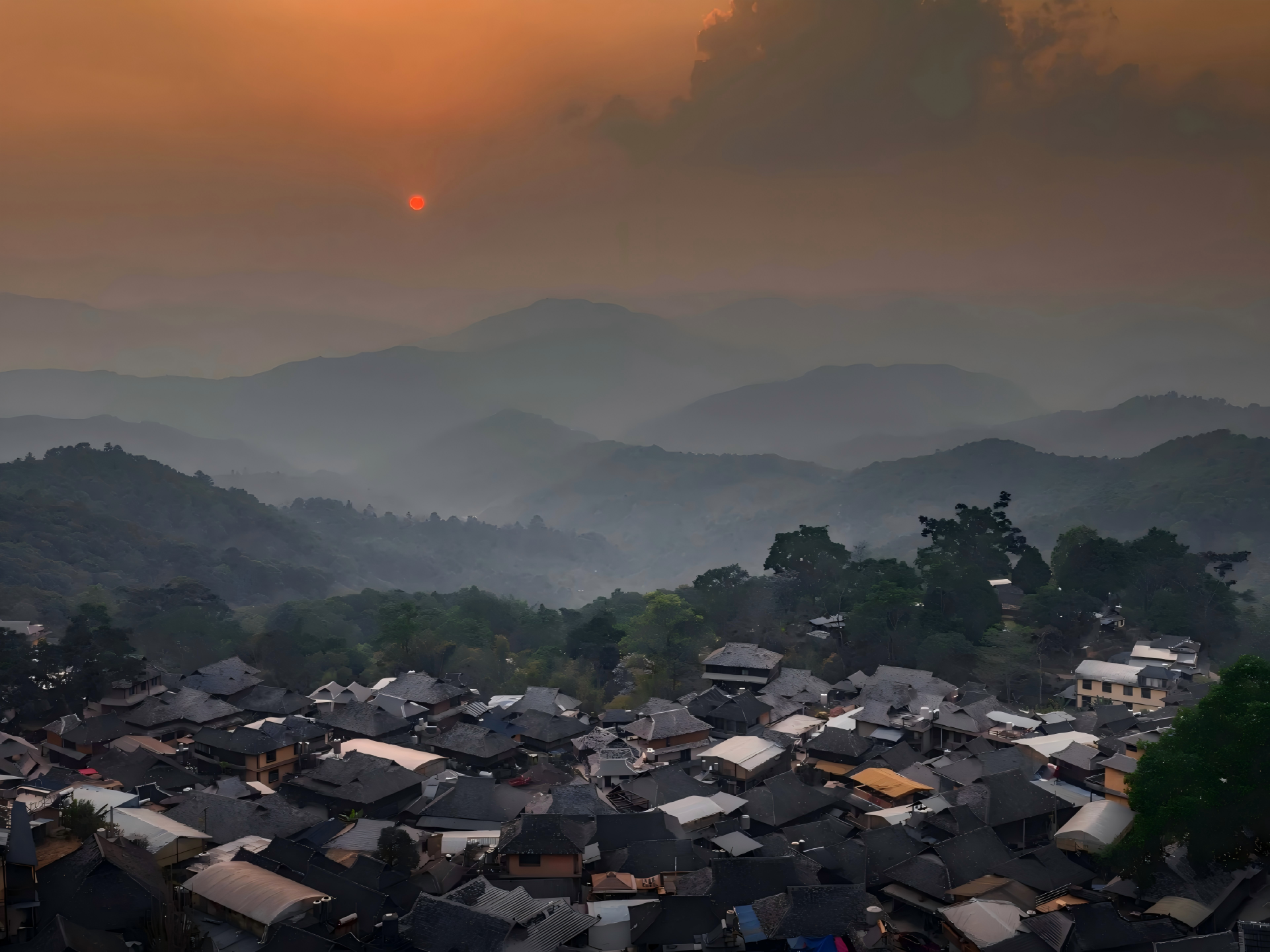
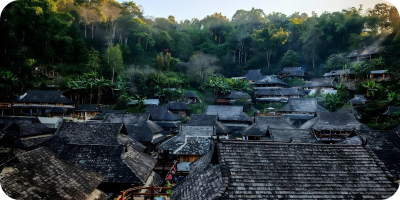 If Nakeli is a microcosm of the ancient road, Jingmai Mountain is the very soul of Pu’er tea. As the world’s first tea-themed UNESCO World Heritage site, it eschews the noise of typical tourist spots, offering instead a harmonious tapestry where Blang and Dai villages coexist with thousand-year-old tea forests.
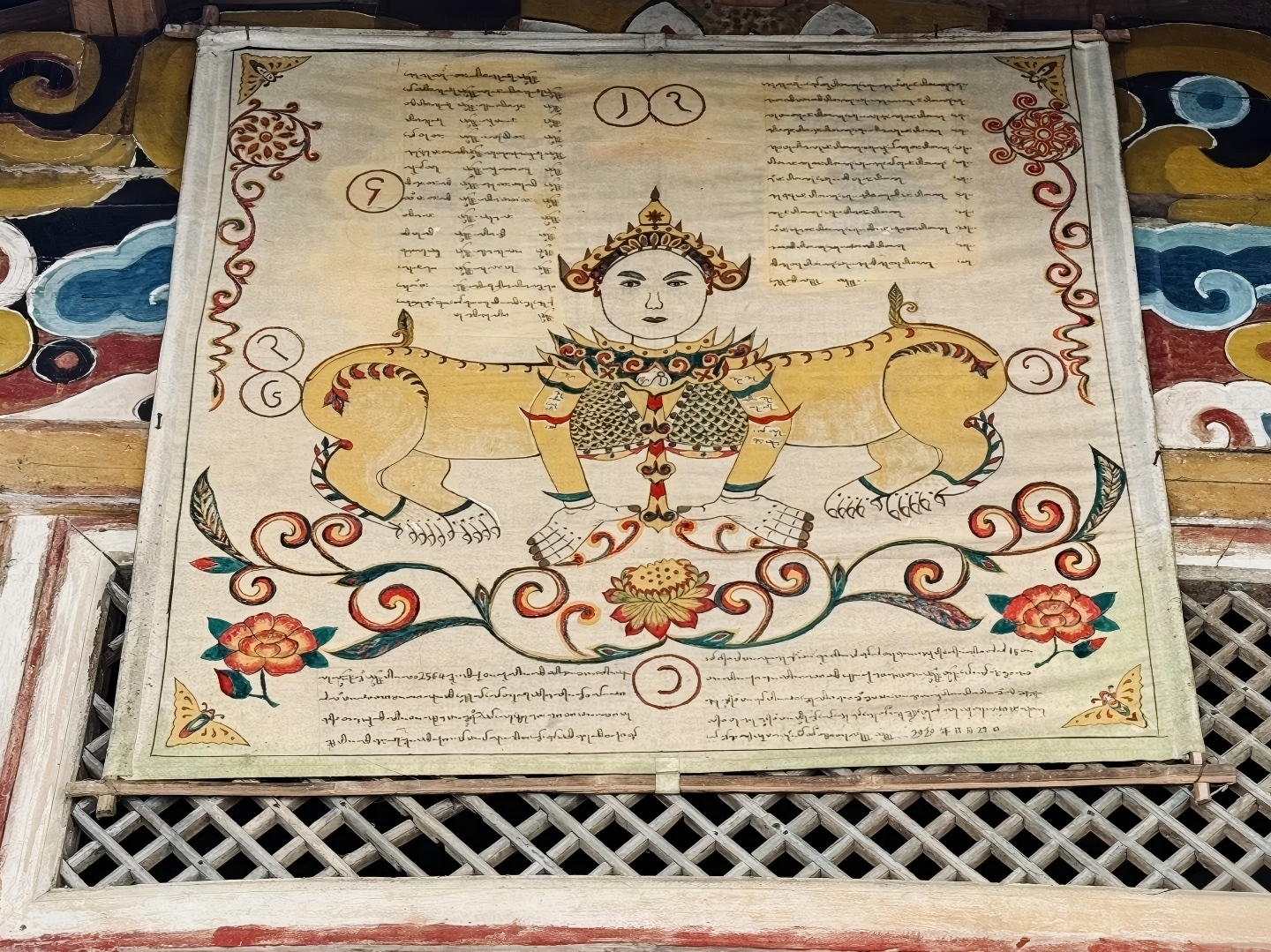
In the early morning, a drive to the Manghong viewing platform often rewards you with a magnificent sea of clouds. Watching the dawn paint the rolling white waves and endless tea hills in gold is a moment of awe that washes away all weariness. Later, wander into Wengji, a perfectly preserved Blang village. Walk into any home, and the host will warmly invite you to sit for a cup of ancient-tree tea and stories of the mountains. In Nuogan, the Dai stilt houses are nestled together like a quiet ink painting. You can follow the farmers into the Dapingzhang ancient tea groves, touch trees that have stood for a millennium, and experience the simple joy of the harvest.
Time here is measured by tea fragrance, birdsong, mountain breezes, and honest smiles. It offers a profound healing—a deep reconnection with nature and life itself.